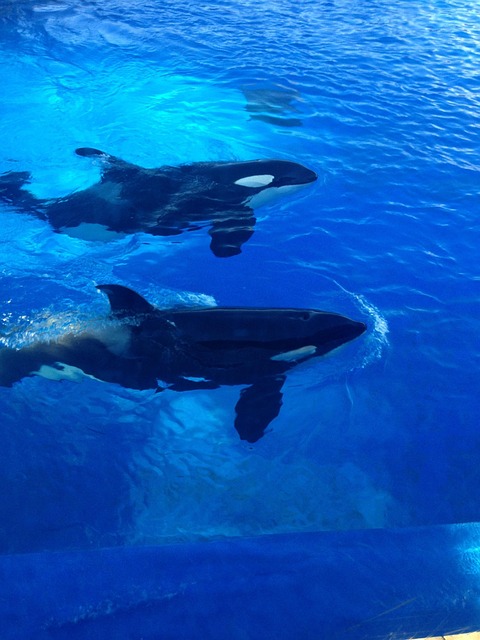
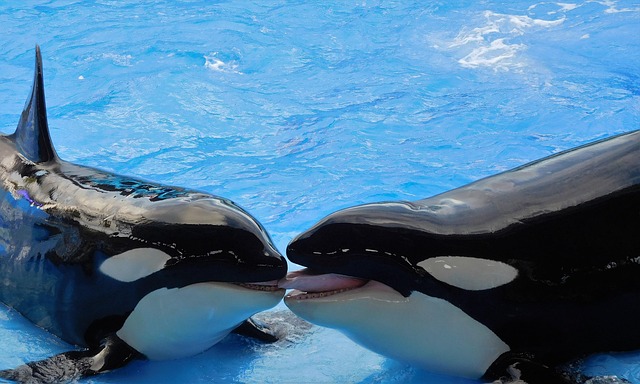
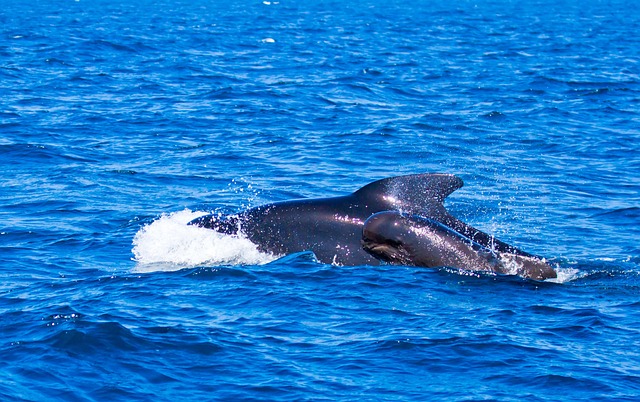
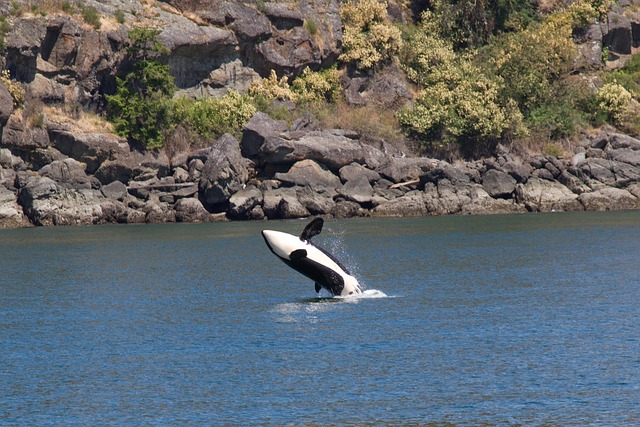
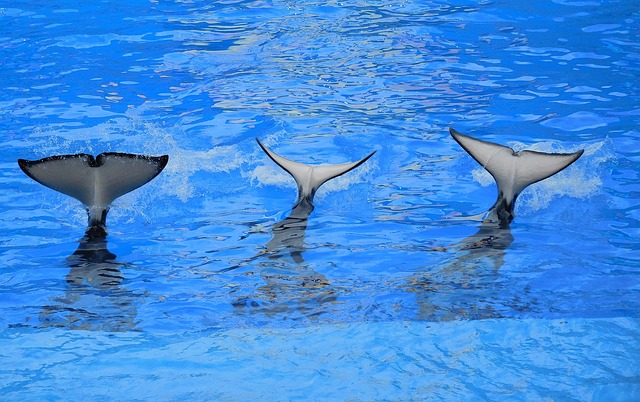
New research into so-called “cannibal” behaviour among killer whales suggests the phenomenon may reflect a deeper evolutionary split within the species rather than simple predation.
++ Pink creature with astonishing trick found on Panama Canal island
According to a report by Oceanographic, scientists studying orcas off Russia’s coast in 2022 made an unexpected discovery when they recovered a severed fin bearing bite marks from another killer whale. A similar finding was recorded two years later in the same region, raising further questions about interactions within the species. Researchers now believe such incidents may be linked to the growing divergence between distinct groups of orcas. Olga Filatova, an associate professor of biology at the University of Southern Denmark, said killer whales differ so significantly that many scientists argue they should be classified into separate subspecies.
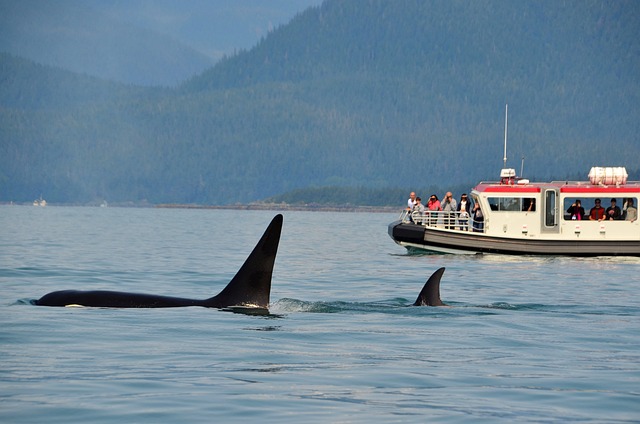
Broadly, orcas are divided into two main types: resident populations, which primarily feed on fish and live in tightly structured matriarchal family groups, and transient populations, which hunt marine mammals such as seals, sea lions and even other whales. These groups do not typically interact or interbreed.
++ Putin reportedly seeks financial support from russia’s wealthiest to sustain Ukraine war
Filatova suggested that transient orcas may not recognise those they prey upon as members of the same species, challenging the assumption that such behaviour constitutes cannibalism in the conventional sense.
Environmental factors may also be playing a role. Rising ocean temperatures — highlighted by the National Oceanic and Atmospheric Administration — are believed to be altering marine ecosystems, potentially influencing migration patterns and territorial behaviour among orca populations. Scientists argue that the idea of cannibalism reflects a human interpretation, while in biological terms the two groups may be evolving along separate paths. As the divide deepens, they could eventually be recognised as entirely distinct species.
“We are witnessing an evolutionary process,” Filatova said, noting that the lack of interaction between the groups is likely to accelerate their divergence over time.


