A series of violent incidents involving schoolchildren across Russia has intensified concerns about rising aggression among young people, with some experts linking the trend to years of militarisation in education. In one recent case in the eastern city of Krasnoyarsk, a 14-year-old girl reportedly carried out a firebomb attack at her school. After briefly leaving a classroom, she returned holding a burning cloth soaked in accelerant, which she threw into a nearby algebra lesson. As panic spread, she allegedly struck at classmates with a hammer as they attempted to flee.
++ Rosie Huntington-Whiteley and Jason Statham reflect on home project
Local reports indicate that one pupil suffered severe burns across much of his body, while several others sustained moderate burns and head injuries. A teacher was also treated for smoke inhalation. Although such an incident would ordinarily prompt widespread media attention, similar attacks have become increasingly frequent in recent years.
Since the beginning of Russia’s invasion of Ukraine, children have been exposed to a sustained programme of military-oriented education. Activities have reportedly included drill exercises in schools, lessons in assembling weapons and drones, and participation in events involving combat veterans.
This broader effort extends beyond classrooms, encompassing youth organisations such as Yunarmiya, as well as state media, entertainment and even toys — a phenomenon some researchers describe as “militainment”.
In the days surrounding the Krasnoyarsk attack, several other violent incidents were reported. In the same region, another 14-year-old allegedly stabbed a fellow pupil and a teacher. In Ufa, a secondary school student fired an airsoft gun, injuring a teacher and classmates. Further reports describe a 15-year-old attacking multiple people in a student dormitory with a knife, while days later a teenager in Krasnodar Krai used a firearm to shoot three individuals, fatally wounding a security guard. In another case, a younger pupil reportedly stabbed a classmate following a dispute.
Authorities have also reported an incident in which a 15-year-old brought a crossbow, flare gun and pepper spray to school, injuring a teacher and another pupil before jumping from a window.
++ The truth behind snakes shedding their skin
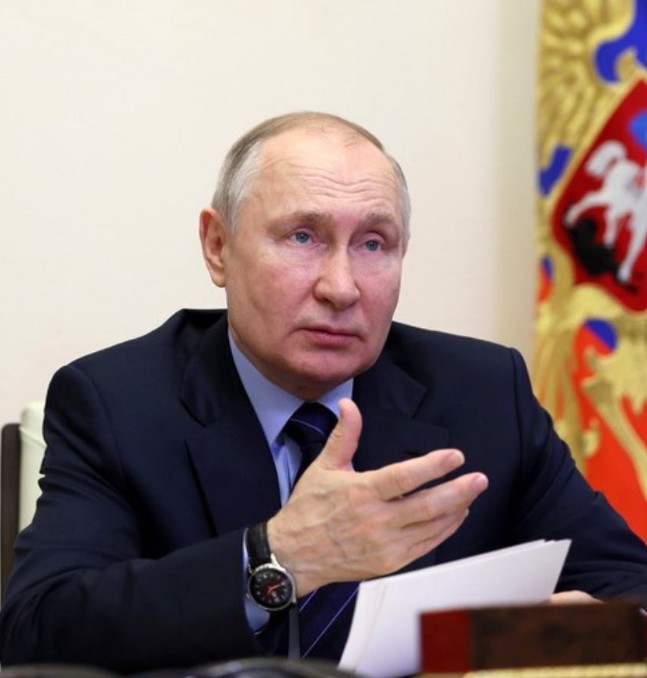
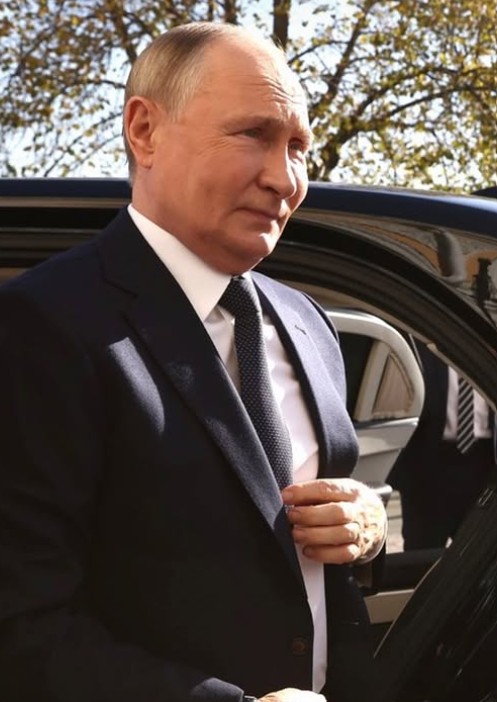
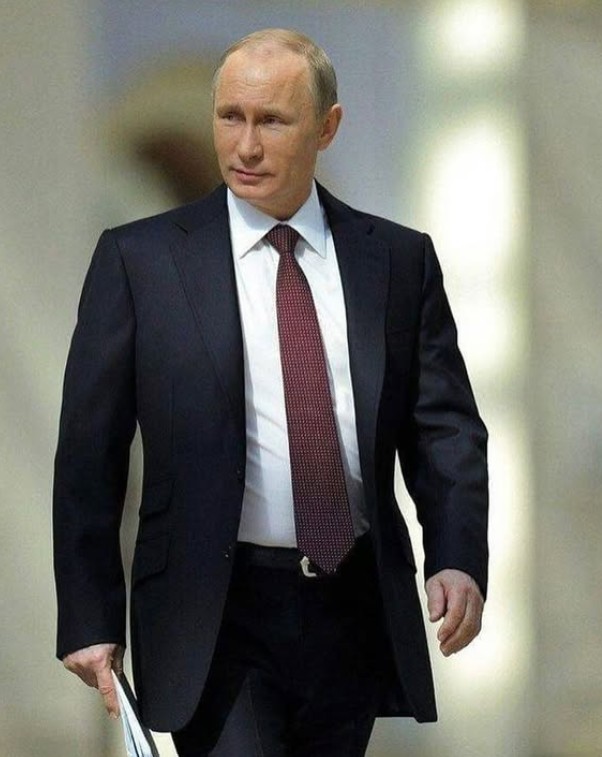
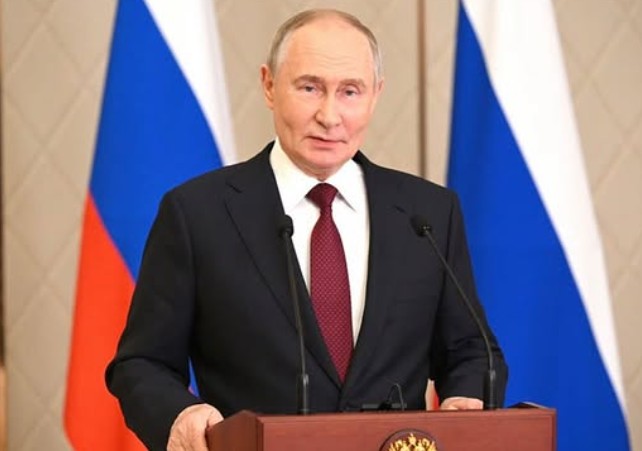
As public concern grows, Vladimir Putin has acknowledged the issue, expressing “particular concern” during a recent meeting of Russia’s interior ministry. He noted that juvenile crime had risen last year for the first time in many years, with a notable increase in violent behaviour among teenagers.
Official figures suggest youth crime rose by 18 per cent in 2025, with serious offences accounting for a significant proportion of cases. There have already been multiple school attacks recorded in the early months of 2026, following a similar pattern in the previous year.
According to The Moscow Times, roughly half of all violent incidents in Russian schools since 2000 have occurred within the past five years.
In response, schools have reportedly been instructed to increase monitoring of pupils, including checking bags and mobile phones and watching for signs deemed suspicious. Some senior officials have attributed the violence to cultural influences. Vyacheslav Volodin, chairman of the State Duma, pointed to video games, while Nina Ostanina cited social media as a contributing factor.
However, analysts argue that the roots may lie deeper. Researchers, including Dr Ian Garner of the Pilecki Institute, suggest that the increasingly militarised environment in which children are growing up may be shaping behaviour and normalising violence. Some experts warn that such acts could reflect the internalisation of state messaging centred on external threats and conflict, potentially reinforcing a culture of confrontation among younger generations.
While the Kremlin has begun to acknowledge the rise in youth violence, the issue poses a growing domestic challenge, raising questions about the long-term social impact of policies introduced during the war in Ukraine.


