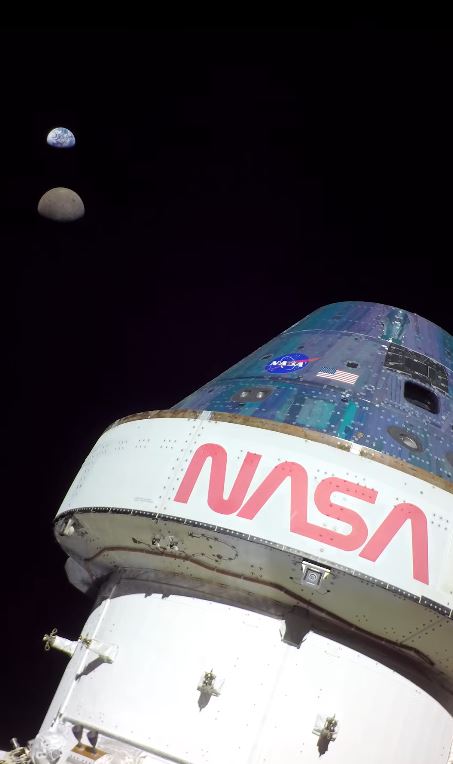

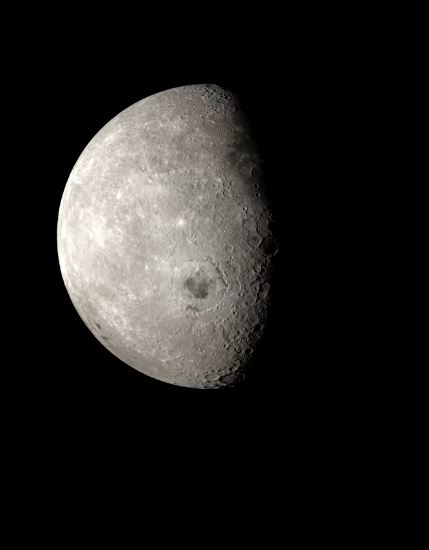
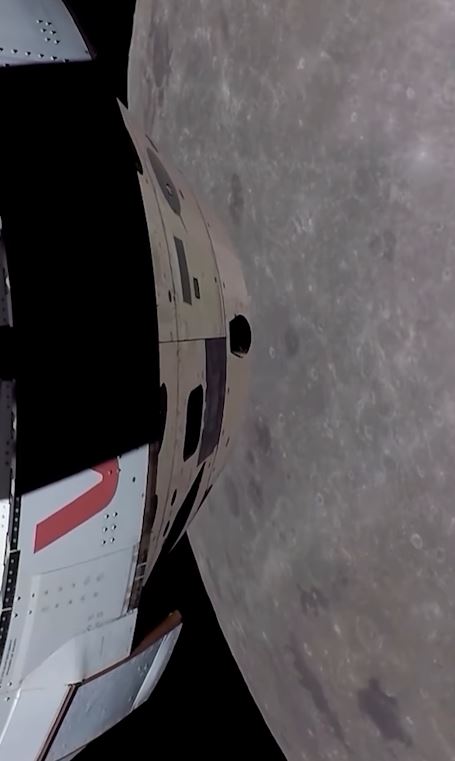

A recent solar flare has raised concerns for Nasa’s planned mission to the Moon, after causing radio blackouts earlier this week. The eruption originated from a group of sunspots rotating into clearer view of Earth, increasing the likelihood of further activity in the coming days. Scientists are continuing to monitor the situation closely.
++ After 139 attempts, man finally passes driving theory test nine years later
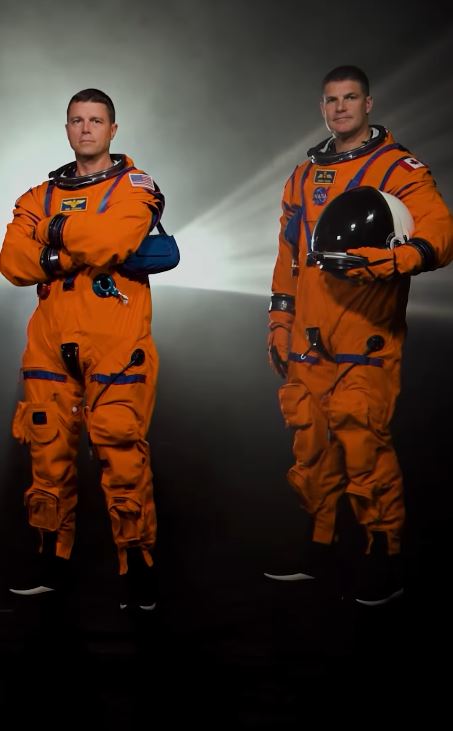
Solar flares release intense electromagnetic radiation and high-energy particles, which can disrupt communications, damage satellites and pose risks to astronauts. Nasa is preparing to launch four astronauts on a ten-day lunar orbit mission, marking the first such journey since 1972. The agency has acknowledged a moderate chance of additional solar activity during the launch window.
Officials have indicated that while recent flares have had minimal direct impact, future eruptions could present greater challenges if directed towards Earth. Forecasting solar behaviour remains complex, and any significant increase in activity may influence operational decisions. Monitoring systems, including those operated by relevant US agencies, are being used to assess potential risks.
++ Dave Myers’ widow set to receive business payout
Even if the launch proceeds as scheduled, precautions are in place to protect the crew from possible radiation exposure. Astronauts have been instructed on safety procedures, including the use of a designated shelter area within the spacecraft. Weather conditions on Earth are currently considered favourable, although both atmospheric and solar factors continue to be evaluated.


