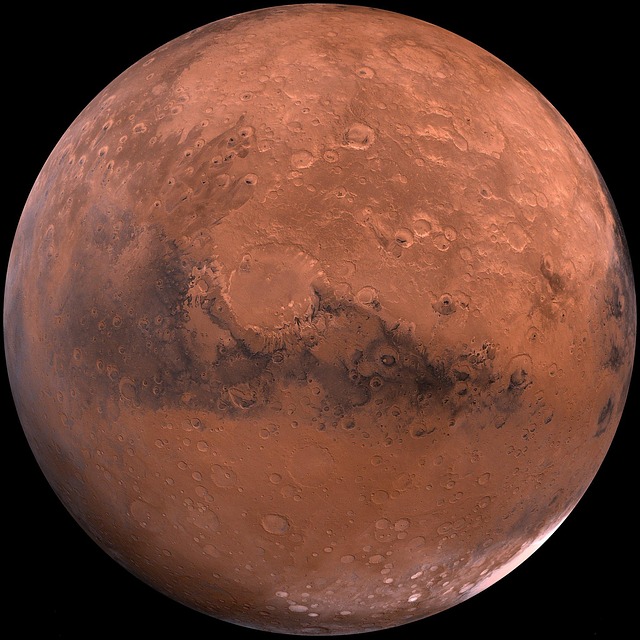
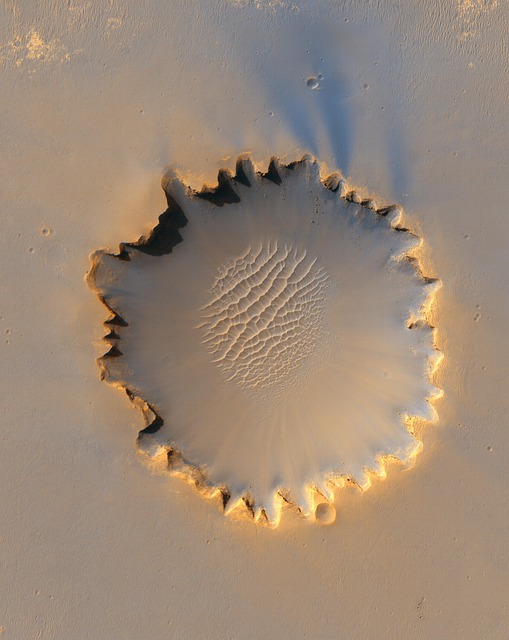
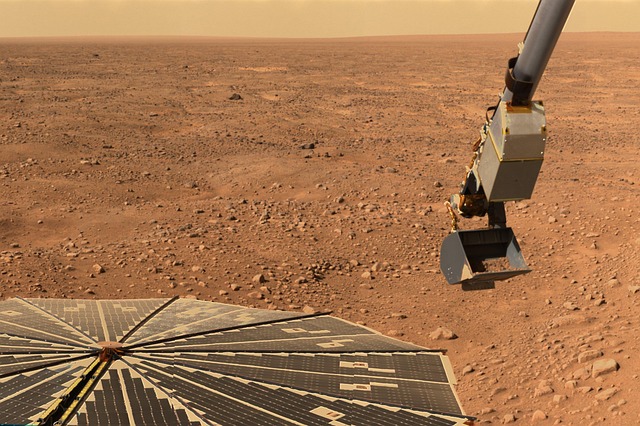

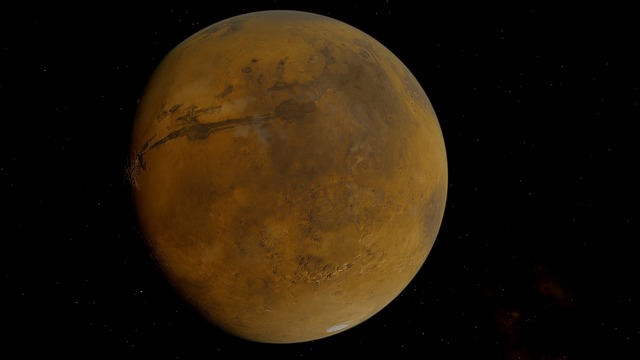

New analysis of data from NASA InSight Mars Lander has revealed that Mars is gradually rotating more quickly, shortening the length of its day by tiny fractions of a millisecond each year. The finding emerged after scientists examined several years of seismic and rotational data from the lander and compared it with earlier measurements collected by Viking Programme Mars Landers in the 1970s.
++ Pink creature with astonishing trick found on Panama Canal island
A study published in Journal of Geophysical Research: Planets now suggests a possible explanation for this subtle acceleration. Researchers from Delft University of Technology believe the effect may be driven by a “negative mass anomaly” deep beneath the Martian surface. According to the team, this anomaly could consist of a vast plume of hot, buoyant mantle material rising through the planet’s interior. The movement of this lighter material may be altering the distribution of mass within Mars, thereby affecting its rotation.
Lead author Bart Root said the research offers new insights into the Red Planet’s internal structure and geological history. He noted that combining surface observations with data from beneath the crust could help scientists better understand how Mars — and the wider solar system — has evolved.
The study also examined the origins of the Tharsis volcanic province, a vast plateau near the Martian equator that hosts some of the largest volcanoes in the solar system. These volcanoes, though now dormant, are believed to have formed over long periods as buoyant material rose towards the surface.
Computer models suggest that the upward movement of lighter material beneath Tharsis may create pockets of molten rock capable of breaking through the crust and forming volcanoes.
++ Putin reportedly seeks financial support from russia’s wealthiest to sustain Ukraine war
Researchers propose that this same प्रक्रिया could help explain the planet’s increasing rotation speed. As lighter material rises near the equator and denser material shifts closer to the planet’s axis, Mars may spin faster — in a manner comparable to a figure skater pulling in their arms during a turn. The findings indicate that Mars’s interior may still be more dynamic than previously assumed, with significant geological processes continuing far below the surface.
However, scientists caution that further investigation is required. The team has called for a dedicated gravity-mapping mission to Mars to better understand the planet’s internal structure and confirm the mechanisms behind its changing rotation.


