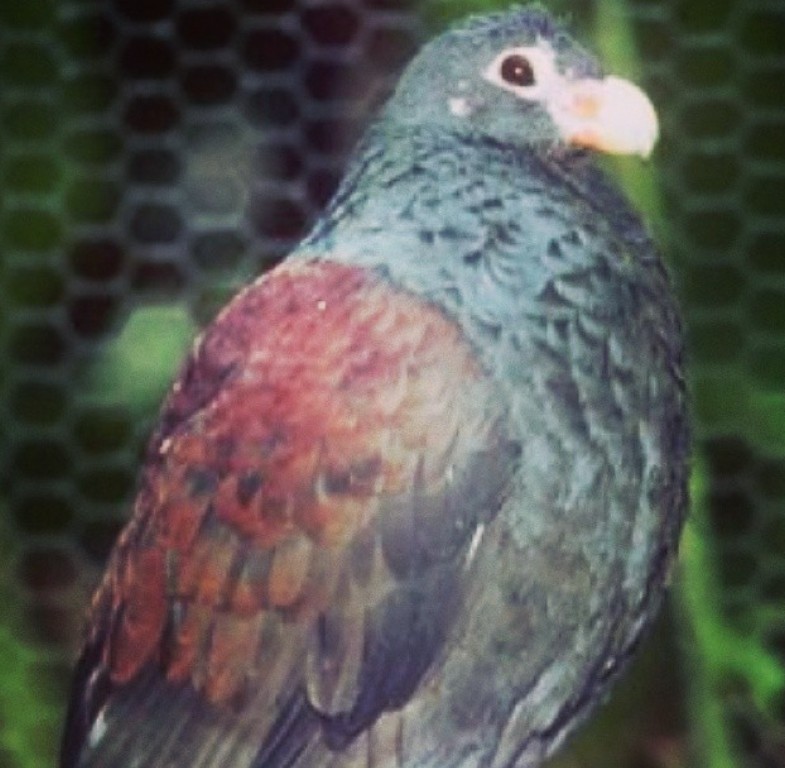
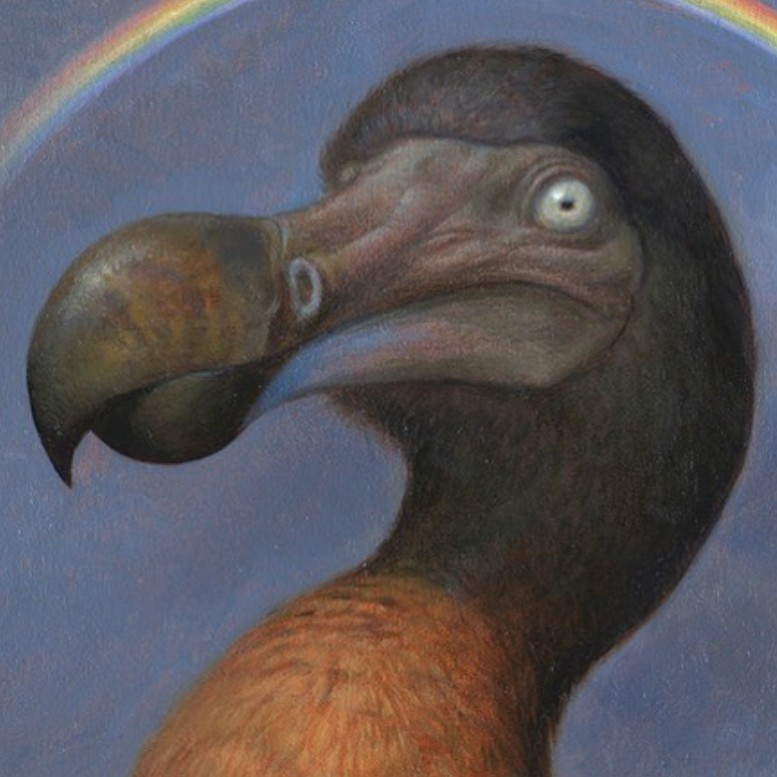
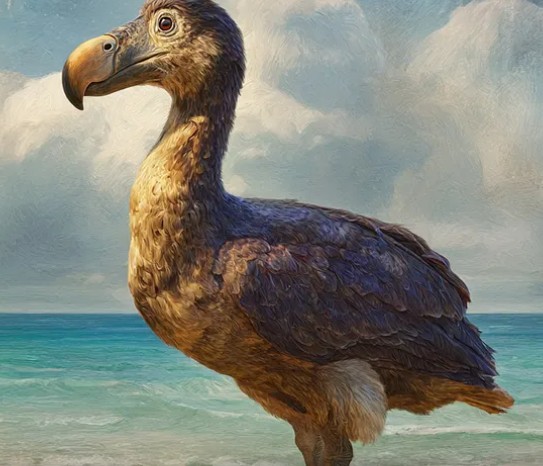

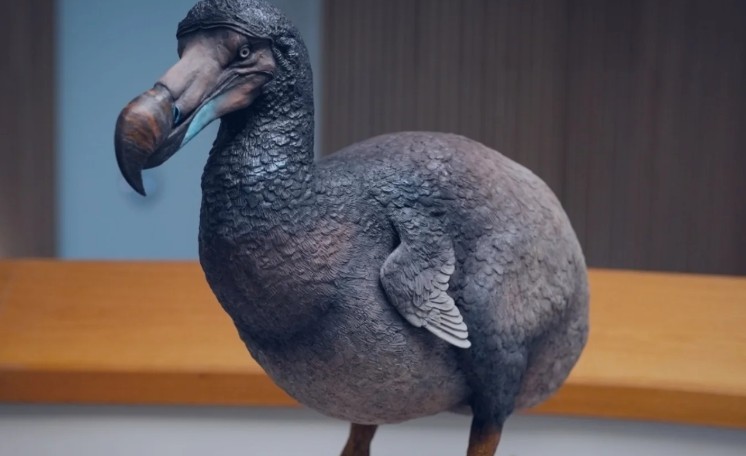
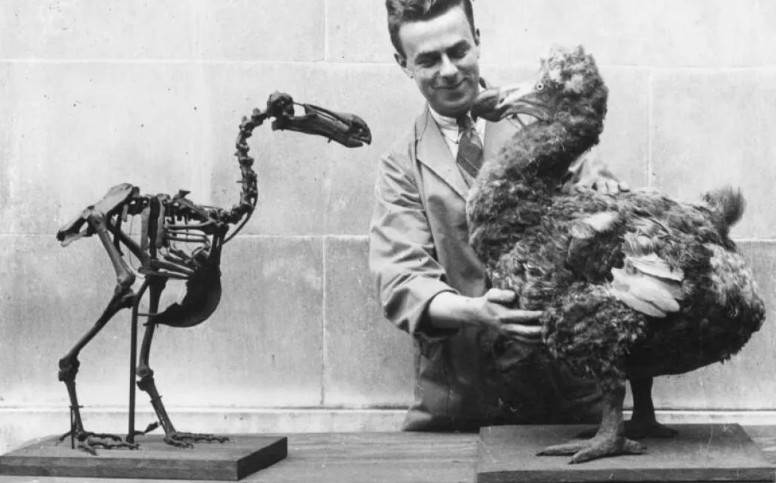
Conservationists in Samoa have reported the first confirmed sightings in more than ten years of the manumea, the closest living relative of the extinct dodo, offering renewed hope for one of the world’s rarest birds. The critically endangered species had not been seen since 2013.
++ Couple divorces just weeks after wedding due to feuding pets
According to the Samoa Conservation Society, at least five sightings of the bird, known scientifically as Didunculus strigirostris, were recorded during a field survey carried out between 17 October and 13 November in the country’s rainforest. However, researchers say it is still unclear whether the observations involved several individuals or repeated sightings of the same bird. All appeared to be adults, leaving questions about breeding activity unanswered.
The sightings took place in forest valleys near the village of Uafato, an area experts believe may provide natural protection from cyclones and habitat degradation. Conservationists say this landscape could be playing a crucial role in shielding the species from some of the environmental pressures that have driven its decline.
Often described as dodo-like in appearance, the manumea is a chicken-sized bird with a distinctive thick, curved beak marked by tooth-like ridges. It is the only surviving member of its genus, the name of which translates as “little dodo”. The bird has become a national symbol in Samoa, largely due to its unique role in dispersing large native seeds that other birds cannot consume, helping to sustain the country’s forest ecosystems.
++ Britain’s tallest waterfall outscales Niagara in a location few ever reach
Despite this cultural significance, the species has suffered a dramatic population collapse. Surveys in the early 1990s estimated around 7,000 individuals, but widespread habitat loss and the impact of invasive predators have reduced numbers to an estimated 50 to 150 birds today. Conservationists believe feral cats and rats are among the main threats, particularly in fragile island environments.
Researchers are now exploring the use of artificial intelligence-based acoustic monitoring to detect the bird’s calls and better understand its behaviour. Scientists say the recent sightings underline both the urgency and the difficulty of protecting endangered wildlife, while offering a rare glimmer of optimism for a species long feared to be on the brink of extinction.


