
A quiet environmental success story has unfolded along the shores of Cape Cod National Seashore, where conservation efforts have helped revive a species that predates the dinosaurs.
++ Fish in British waters turning to smaller prey amid warming seas and overfishing
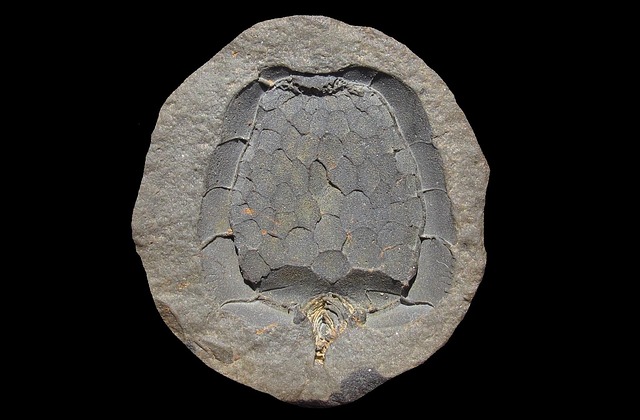
Horseshoe crabs — often described as “living fossils” due to their 445-million-year history — had all but vanished from East Harbor, a coastal lagoon within the protected area, by the early 2000s. Their decline, researchers say, was largely the result of a man-made dike constructed in the 19th century, which cut the lagoon off from the ocean and disrupted its natural salinity. The turning point came in 2008, when authorities restored tidal flow by allowing seawater to re-enter the lagoon. Although the recovery was gradual, the ecological impact proved significant. Native salt marsh vegetation began to return, followed by shellfish — and eventually the horseshoe crabs themselves.
Today, thousands of the animals have re-established themselves in East Harbor, with scientists now recognising the area once again as a viable habitat. Notably, many of the crabs currently breeding there are believed to have hatched locally more than a decade ago, suggesting a stable and self-sustaining population.
According to local ecologists, the resurgence carries broader environmental importance. Horseshoe crab eggs are a vital food source for migratory shorebirds, and their return is widely seen as an indicator of improving ecosystem health.
++ Wave of school violence raises concerns over youth militarisation in Russia
The restoration has also brought tangible benefits to the surrounding coastline. Healthier salt marshes help absorb storm surges, support fisheries and enhance the resilience of coastal communities. Conservationists point to similar successes elsewhere — including the recovery of whale populations off South America and freshwater dolphins in Southeast Asia — as evidence that targeted environmental action can deliver results.
While such progress may lack spectacle, experts say it highlights the long-term value of habitat restoration. In this case, it has allowed one of the planet’s oldest surviving species to quietly reclaim its place along the shoreline — a reminder of nature’s capacity to recover when given the opportunity.


