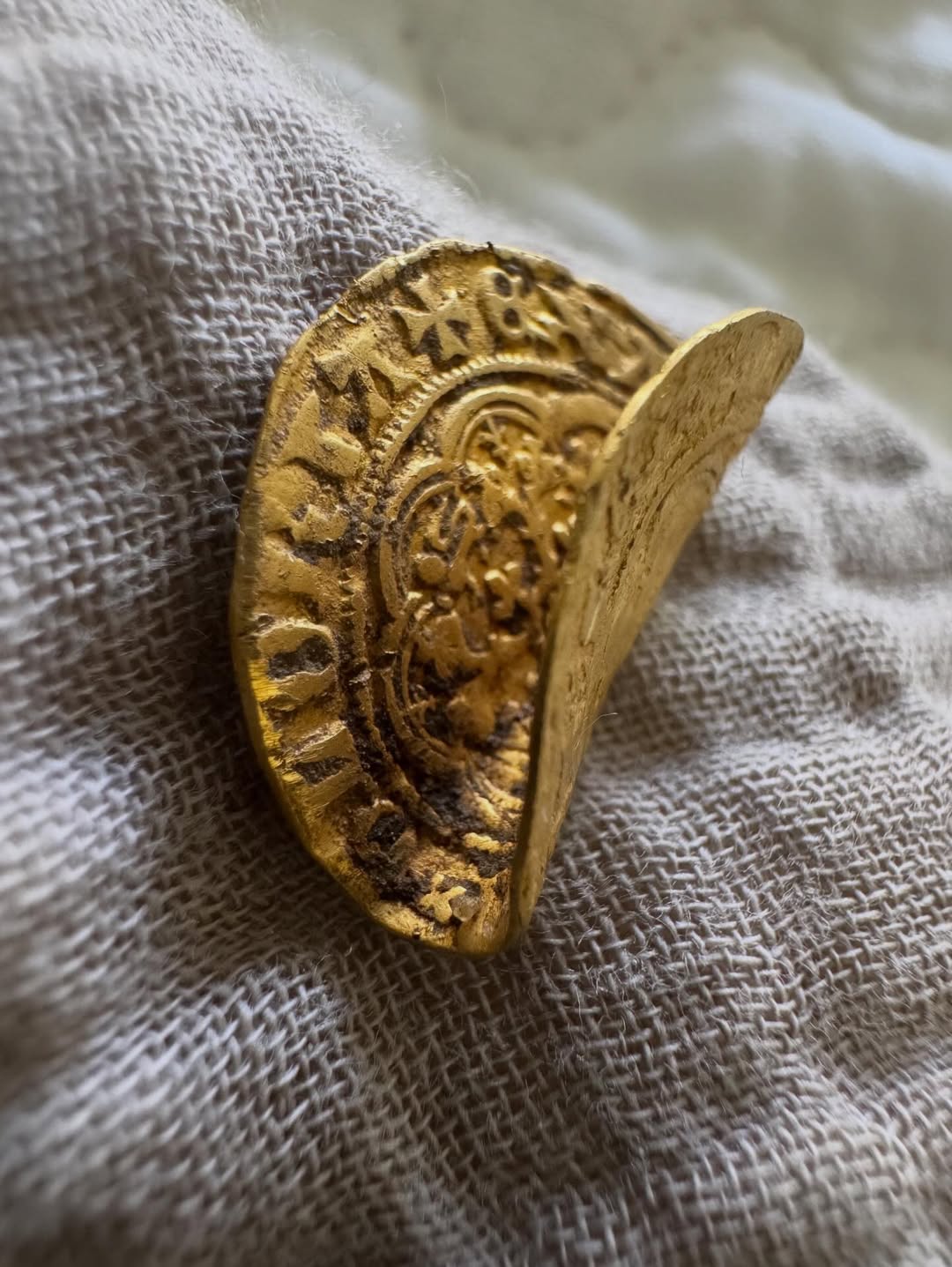
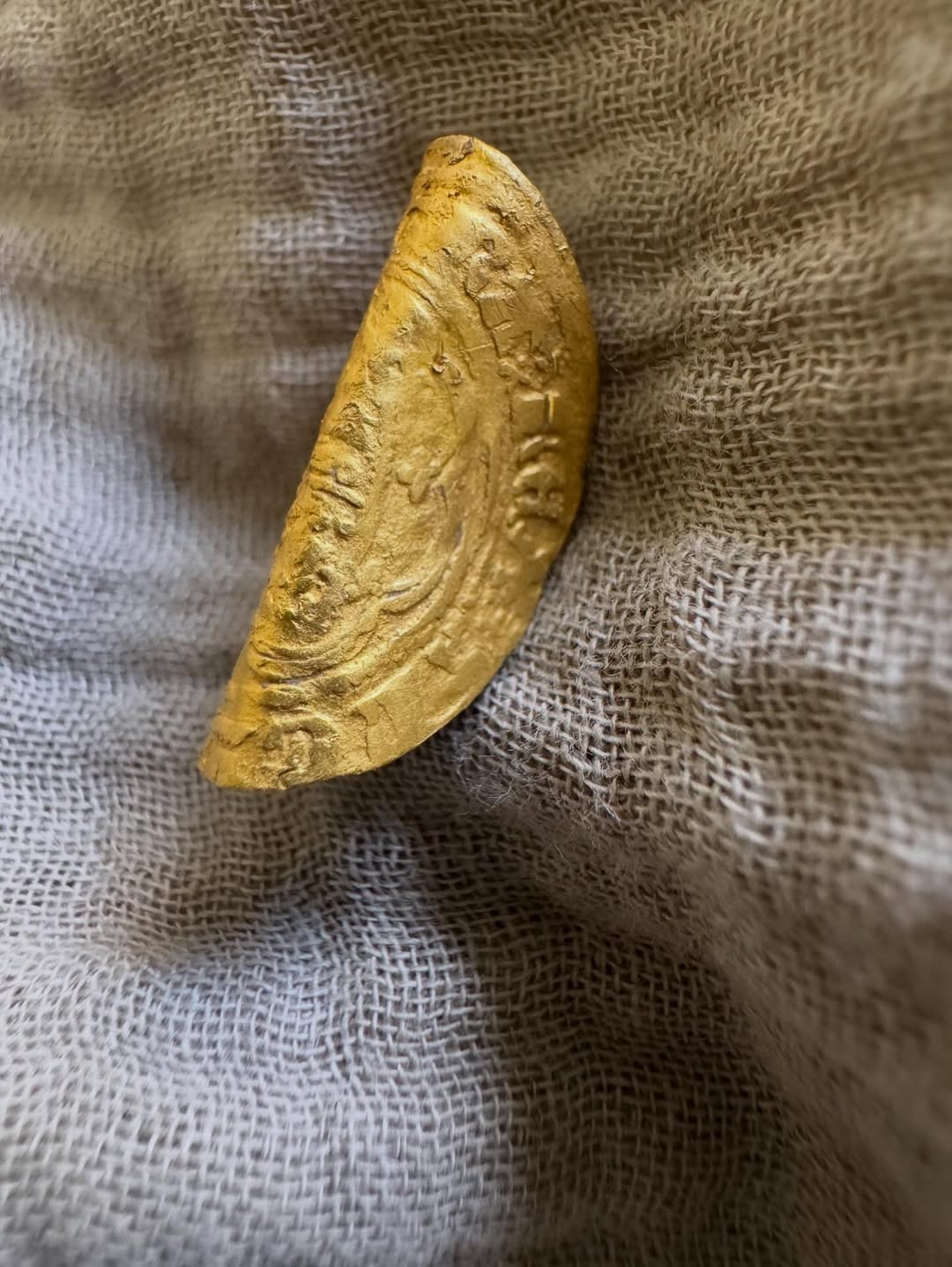
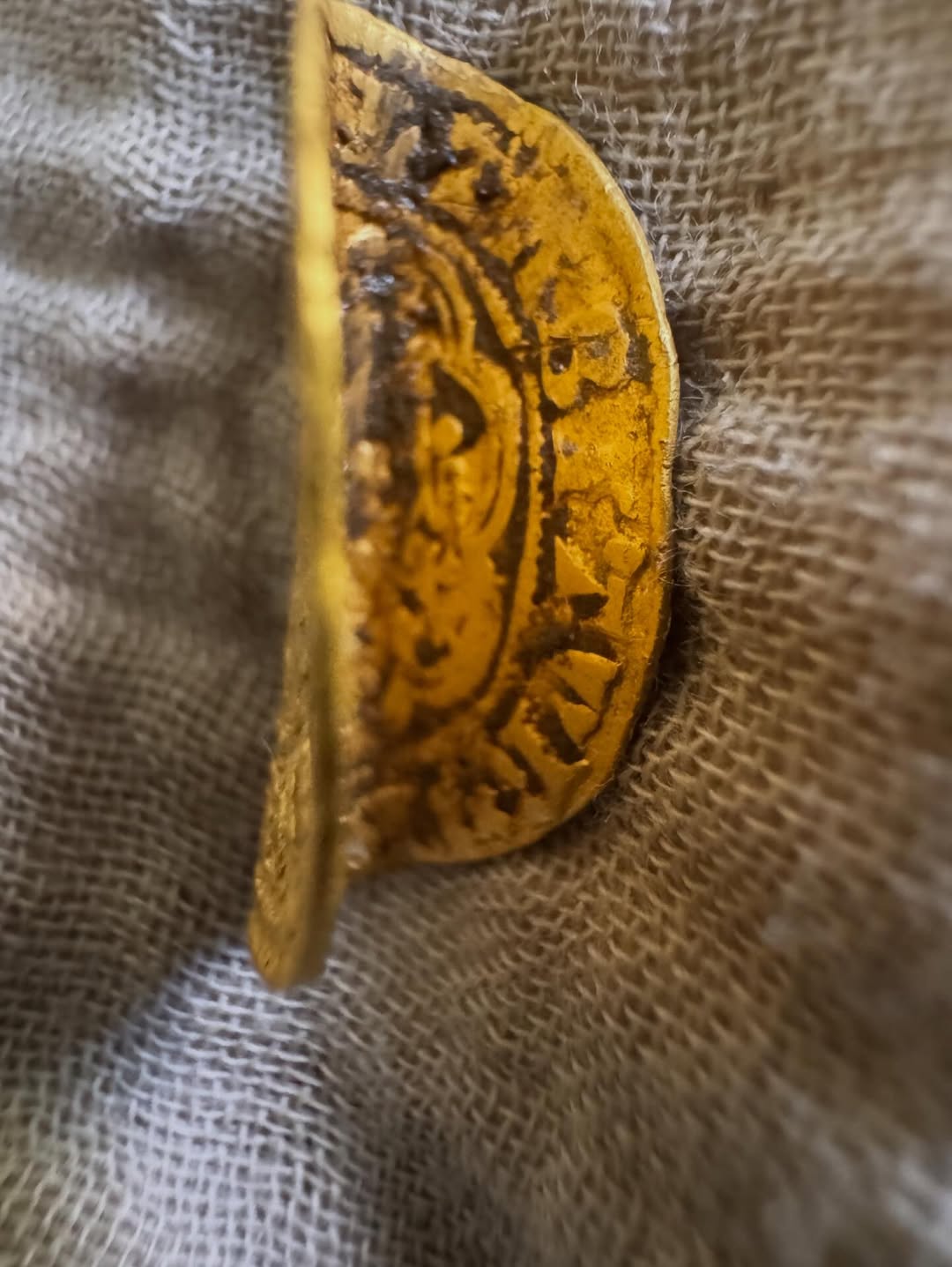
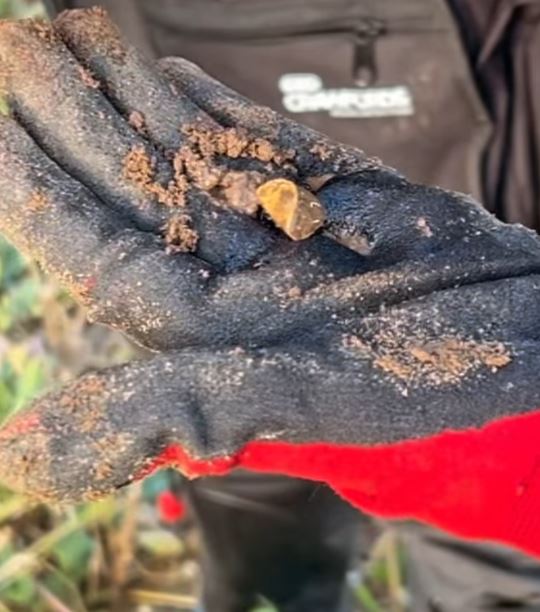
An unusual coin once used to pay a bus fare in Leeds during the 1950s has been identified as an artefact from an ancient civilisation more than 2,000 years old. The coin was originally handed to a local bus driver and later came into the possession of James Edwards, a chief cashier with Leeds City Transport who collected and counted fares at the end of each day.
++ Camera traps stunning moment trout clears obstacle built by beavers
Because the coin could not be used in circulation, Mr Edwards set it aside and eventually gave it to his young grandson, Peter. The boy kept the object in a small wooden chest, where it remained for more than seven decades. Over time, curiosity about its origins grew, although its true history remained unclear for many years.
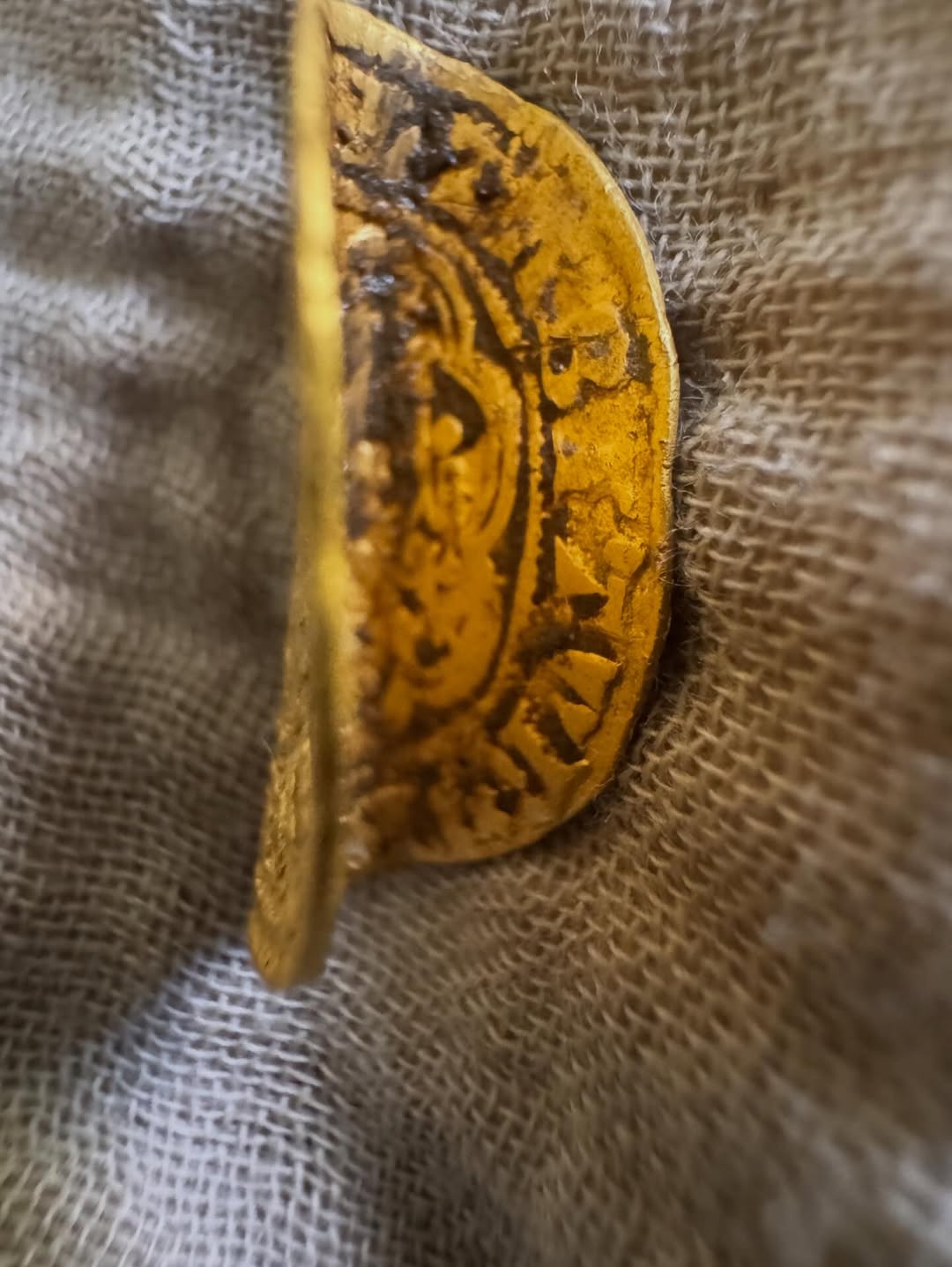
Archaeologists from the University of Leeds have now determined that the coin dates back to the 1st century BC and was produced by the Carthaginians, part of the wider Phoenician culture. Experts believe it originated in the ancient city of Cadiz on the Spanish coast. The coin features the face of the god Melqart, often associated with the Greek hero Herakles, depicted wearing a distinctive lion-skin headdress.
++ Wedding dance clip reignites debate over Victoria Beckham row
Following the discovery, the coin has been donated to Leeds Museums and Galleries and is now housed at the Leeds Discovery Centre. The institution holds coins and currency from a wide range of cultures spanning thousands of years. Local officials have said the find highlights how historical artefacts can appear in unexpected places, offering insight into ancient civilisations and the journeys objects take across centuries.


