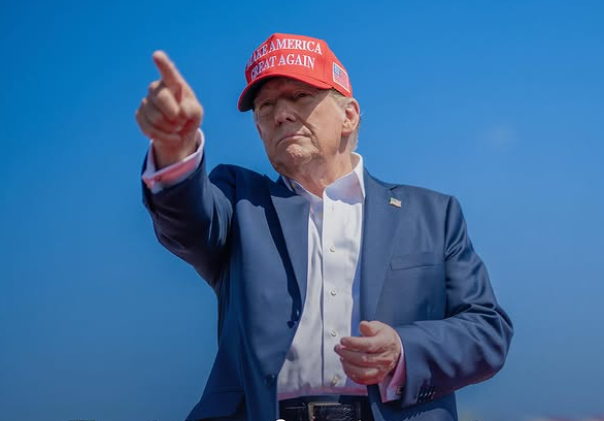
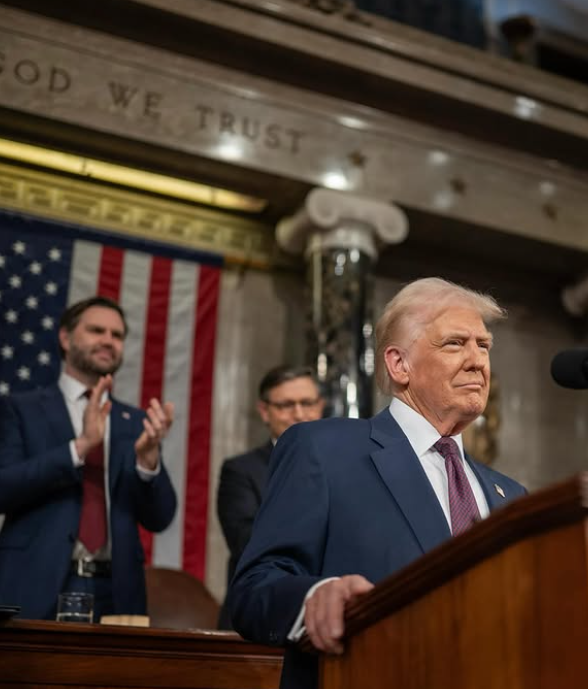
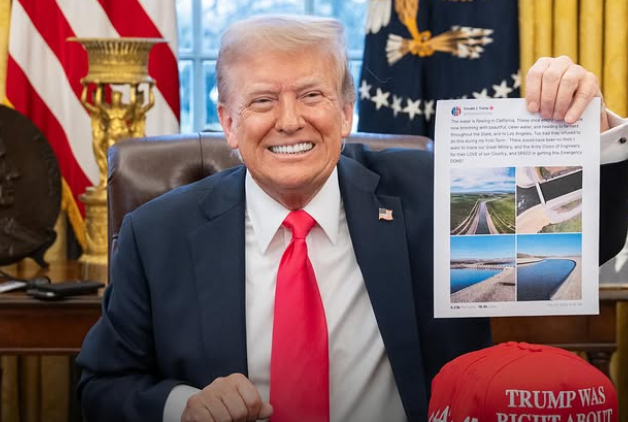
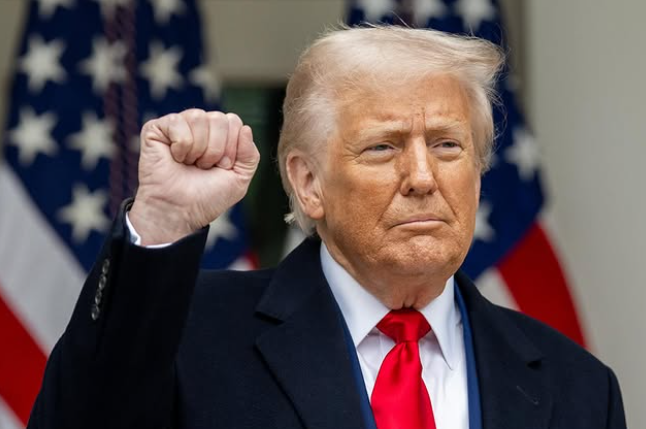
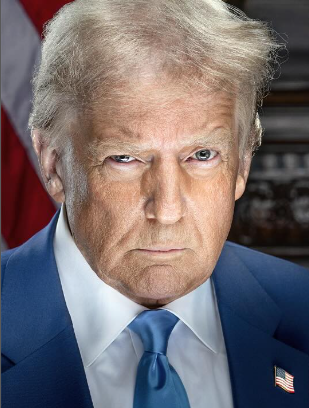
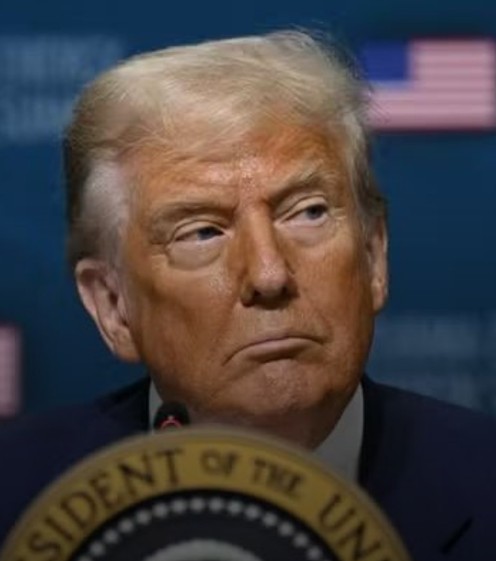
Donald Trump has indicated he is seriously considering withdrawing the United States from NATO, following disagreements with allies over the ongoing conflict involving Iran. In remarks to The Telegraph, the US president described the alliance as a “paper tiger” and suggested that leaving the decades-old defence pact was now firmly under consideration. His comments reflect mounting frustration within Washington after several Nato members declined to support US efforts to reopen the strategically vital Strait of Hormuz.
++ Webb and Hubble telescopes reveal new details of Saturn’s atmosphere
The waterway, through which a significant share of global oil supplies passes, has been effectively closed by Tehran for weeks, fuelling volatility in energy markets and raising fears of a wider economic downturn.
Mr Trump criticised allies for what he portrayed as a lack of reciprocity, arguing that while the US had consistently supported partners—including Ukraine—others had failed to respond in kind. He suggested that military backing in such situations should be automatic rather than negotiated.
The president also directed pointed criticism at Keir Starmer, questioning the readiness of Britain’s armed forces and dismissing the capabilities of the Royal Navy. He further criticised the UK government’s focus on renewable energy, claiming it had driven up domestic costs.
++ Ben Affleck reunites 1990s sitcom stars for Super Bowl advert
Sir Keir responded by reaffirming Britain’s commitment to Nato, describing it as the most effective military alliance in modern history. He stressed that the UK would act in its national interest and reiterated that the conflict with Iran was not one Britain intended to join.
The debate comes amid broader concerns about the state of UK defence. Senior military figures have recently acknowledged limitations in readiness, with reports indicating that several Royal Navy destroyers are currently out of service. The UK has also relied on allied support to meet certain Nato obligations.
Tensions have been echoed within the US administration. Marco Rubio criticised the alliance as overly one-sided, suggesting Washington may need to reassess its position once the Iran conflict concludes. He argued that restricting US access to allied military bases undermines the principle of mutual defence.
The dispute has also reignited questions about Nato’s Article 5 clause, which commits members to collective defence in the event of an attack. However, analysts note that the provision does not apply in this instance, as the conflict with Iran did not begin with an attack on a Nato member.
While any formal withdrawal from Nato would require approval from the US Congress, experts warn that the president retains significant authority to scale back America’s involvement. Ivo Daalder suggested that a reduction in troop presence or participation in command structures could have profound implications for European security. As the situation develops, questions persist over the future of transatlantic defence cooperation, with some observers warning that trust between the US and its allies may be increasingly strained.


