An arrow-shaped island defined by salt caves, mangrove swamps and concealed military infrastructure is emerging as a potential focal point in the escalating tensions surrounding Iran. Qeshm Island, the largest landmass in the Gulf, occupies a commanding position along the narrow Strait of Hormuz — a critical maritime corridor through which roughly a fifth of the world’s oil supply typically passes.
++ Webb and Hubble telescopes reveal new details of Saturn’s atmosphere
Beneath its rugged terrain lies a network of military installations, the full extent of which remains uncertain. Analysts suggest that, should the United States pursue a ground operation aimed at reopening the strait, Qeshm would likely be a primary objective due to both its size and strategic location.
The island’s significance is heightened by its role in Iran’s broader defensive posture. From Qeshm, Tehran can project power using missiles, drones, naval mines and fast-attack vessels, posing a persistent threat to commercial shipping. Securing the island, experts argue, could significantly weaken Iran’s ability to disrupt maritime traffic and would allow allied forces to begin mine-clearing operations and surveillance across the waterway.
While attention has also been drawn to Kharg Island — a key hub for Iran’s oil exports — its position deeper בתוך the Gulf suggests a different strategic purpose, centred more on economic leverage than immediate control of the strait itself.
Military preparations appear to be under way. The Pentagon has reportedly deployed thousands of marines, paratroopers and special operations personnel to the region, indicating readiness for a limited but targeted operation rather than a prolonged ground campaign. Amphibious units from both the United States and overseas bases have been mobilised, reinforcing the impression that contingency plans are actively being considered.
Despite these developments, officials in Washington maintain that no final decision has been made. The stated aim of the deployments is to provide “maximum optionality”, allowing flexibility in response to evolving conditions.
++ Ben Affleck reunites 1990s sitcom stars for Super Bowl advert
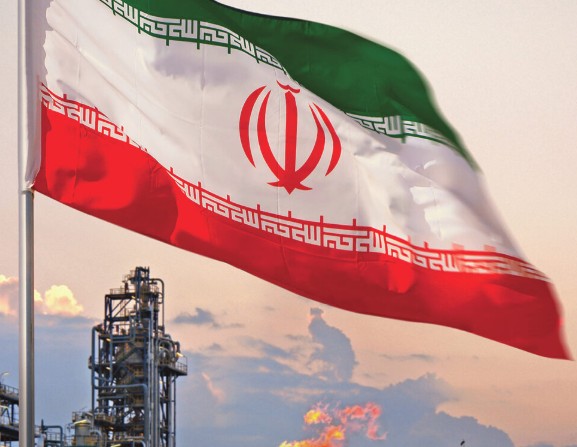
Tehran, however, interprets the build-up differently, viewing it as a potential precursor to direct military engagement. Iranian officials have issued stark warnings, signalling readiness to respond forcefully should foreign troops land in the region.
For US policymakers, any move to seize Qeshm would carry substantial risks — both militarily and politically. Domestically, divisions are emerging over the costs and implications of a broader conflict, while internationally, the operation could trigger far-reaching consequences for global energy markets.
Ultimately, military strategists suggest that the decision will hinge on a careful assessment of risk versus reward. Whether securing Qeshm would reduce overall dangers in the conflict — or escalate them — remains a question at the centre of an increasingly volatile situation.


