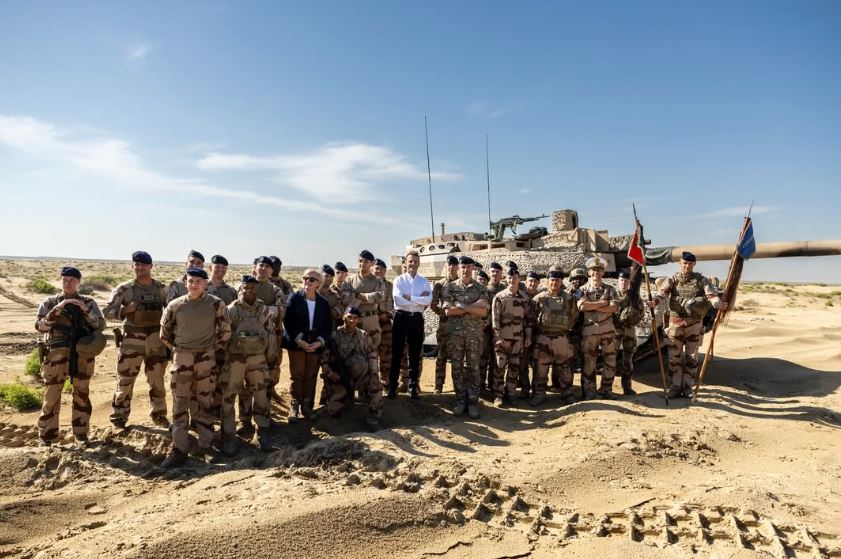
A senior Kremlin-linked figure has intensified rhetoric over the war in Ukraine, warning that continued Western support for Kyiv could provoke extreme consequences. Sergey Karaganov, chair of Russia’s Council for Foreign and Defence Policy, claimed that if NATO backing resulted in a Ukrainian victory, Moscow might resort to nuclear weapons, with Europe facing devastating outcomes. His comments followed the UK’s announcement that it will deploy around 1,500 Royal Marines to the Arctic and High North as part of a wider effort to reinforce regional security.
++ Fossilized insects in amber uncovered for the first time in South America
Speaking to US commentator Tucker Carlson, Karaganov also criticised European leaders, accusing them of strategic weakness and accusing his own government of excessive patience. He dismissed the prospect of a Russian defeat as unrealistic and argued that parts of Europe had lost their understanding of war and its consequences. The remarks come as Russia’s invasion of Ukraine, initially described by the Kremlin as a short operation, approaches its fourth year, with heavy losses reported on both sides.
The UK’s decision to expand its military presence in the Arctic has been framed by ministers as a deterrent measure, linked to growing concern over Russian and Chinese activity in the region. The move also comes amid heightened uncertainty over the future of Greenland, after repeated claims by US President Donald Trump that American control of the territory could be necessary for security reasons. Denmark, which governs Greenland, has rejected those suggestions, while stressing the importance of allied cooperation.
++ Farage eyes Senedd elections after Caerphilly by-election setback
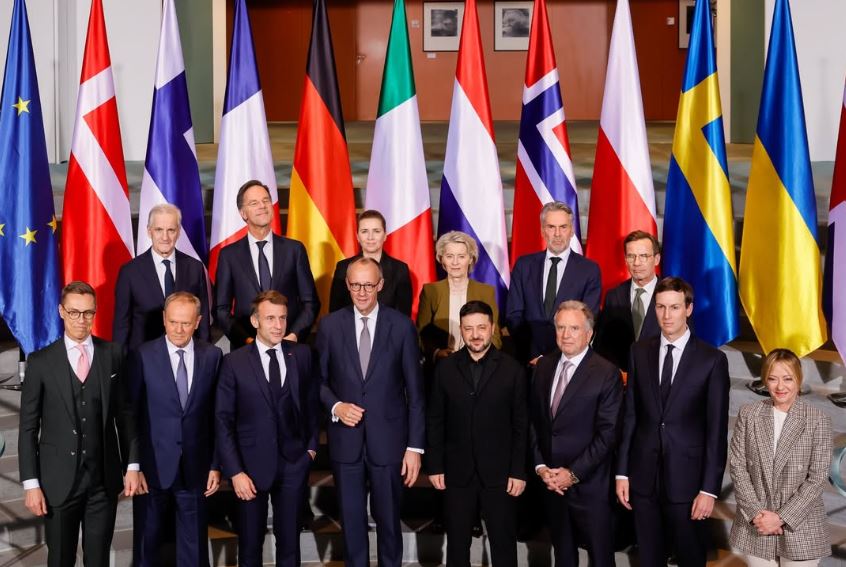
Denmark’s defence minister has confirmed that several NATO partners, including Germany, France, Sweden and Norway, will take part in joint Arctic exercises aimed at improving readiness and coordination. As a NATO territory, Greenland is already covered by the alliance’s collective defence commitments. However, the combination of Russian threats, US rhetoric and increased military activity in the High North has raised fresh questions about stability within the transatlantic alliance and the risk of further escalation.


