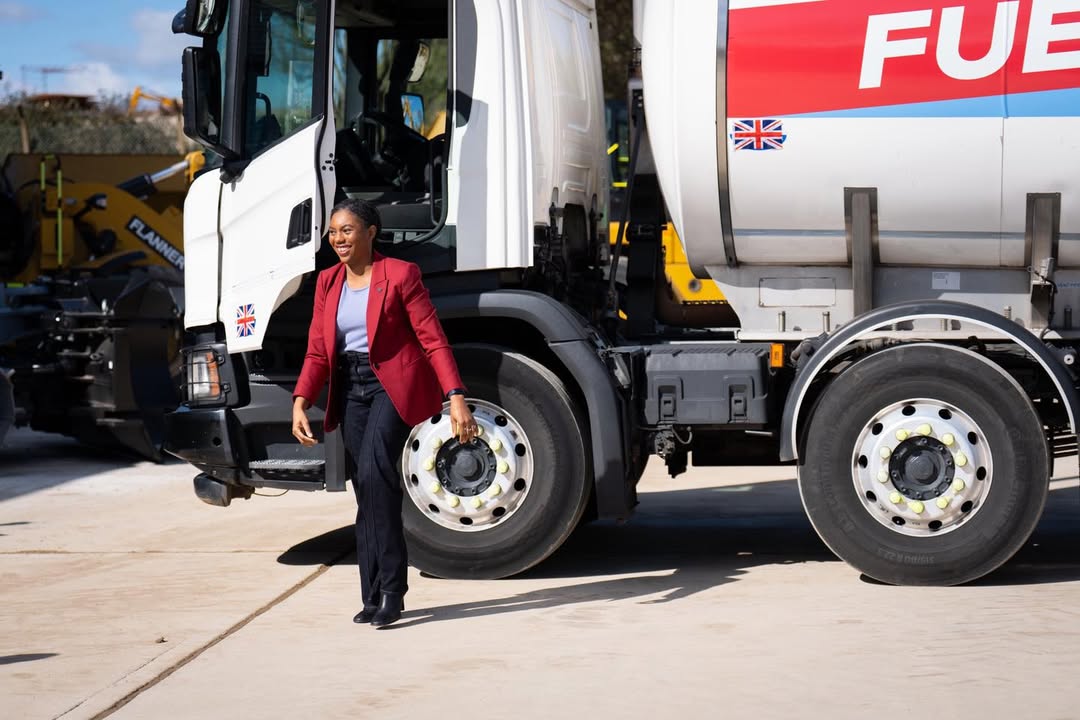
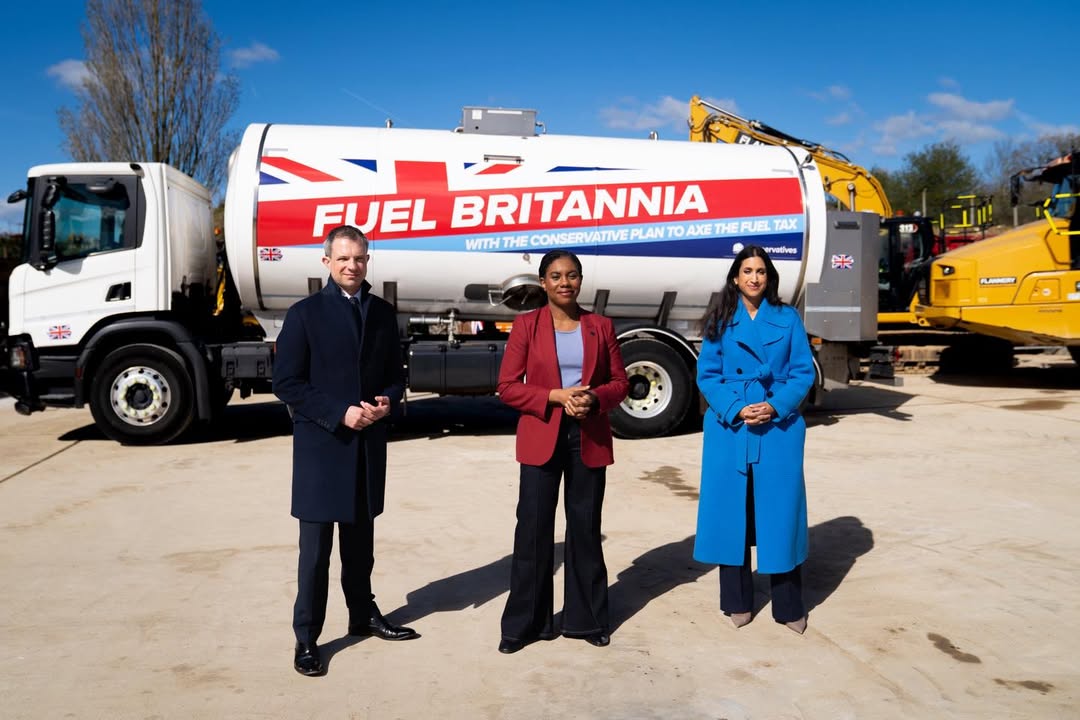

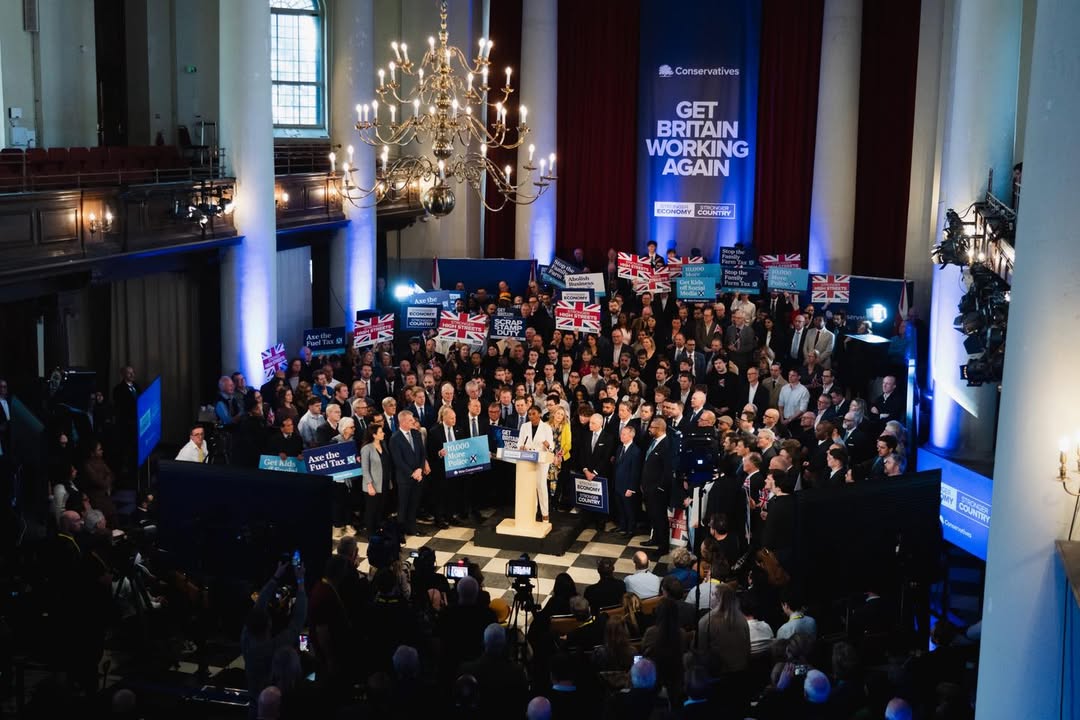

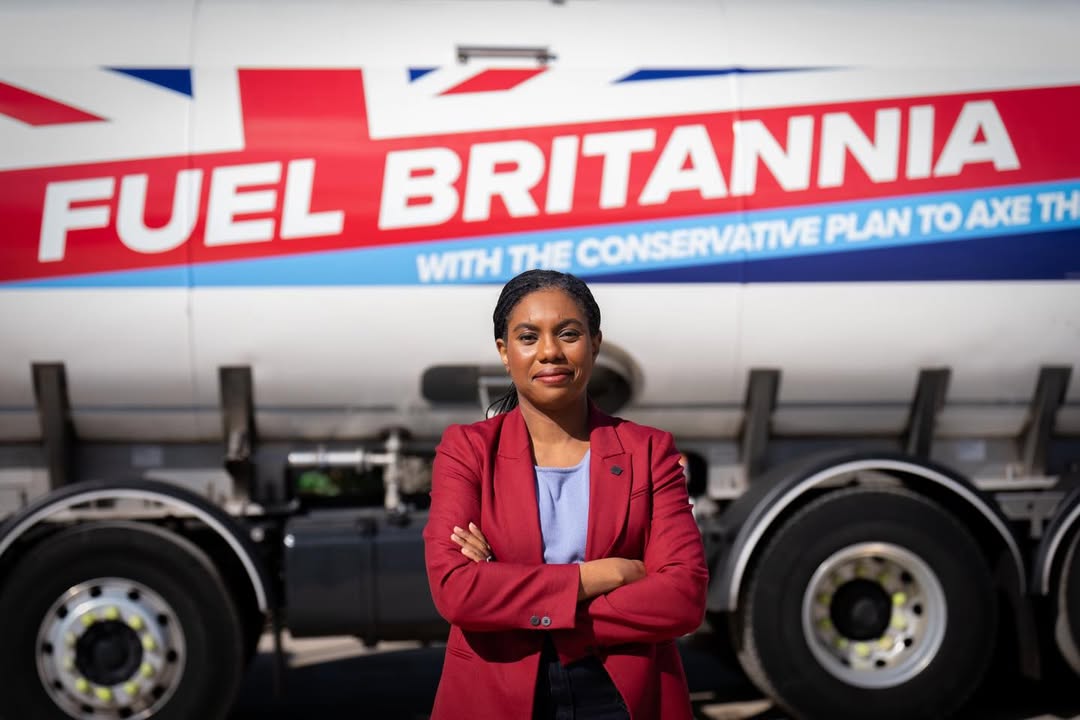
Tory leader Kemi Badenoch faced questions over how her party’s North Sea drilling proposals would help households with rising energy bills, particularly as Iran’s blockade of the Strait of Hormuz has driven global oil prices higher. Speaking on the BBC’s Sunday with Laura Kuenssberg, Badenoch argued that unlocking licences for fields such as Jackdaw and Rosebank could generate revenues and jobs, though she struggled to provide precise figures on the immediate savings for consumers.
++ The truth behind snakes shedding their skin
Badenoch stated that North Sea drilling would contribute to energy and financial security, with profits and taxes potentially used to subsidise household bills. She acknowledged that the impact on bills would be indirect, noting that reducing reliance on imported Norwegian gas could benefit national security and finances. The Tory leader also highlighted that the oil and gas industry is currently shedding around 1,000 jobs per month, which she said was especially damaging for Scotland.
Critics, however, warned that the proposals would have little effect on energy costs. Claire Coutinho, the party’s shadow energy secretary, described potential savings as minimal, while Tessa Khan of campaign group Uplift said research showed previous North Sea licences produced only 36 days’ worth of gas. Khan accused the Conservatives of “peddling a dangerous fantasy” and prioritising political messaging over practical solutions.
++ Royal nanny to receive honour from Prince and Princess of Wales
Badenoch countered that scrapping taxes on energy bills and using revenues from drilling could indirectly ease costs for households. She insisted that dismissing the connection between domestic production and bills was misleading, describing opposition claims as “dishonest” and framing the policy as central to Britain’s energy strategy ahead of the Holyrood elections in May.


