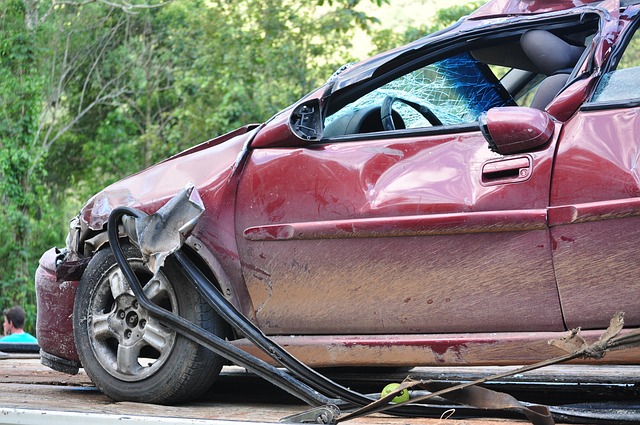

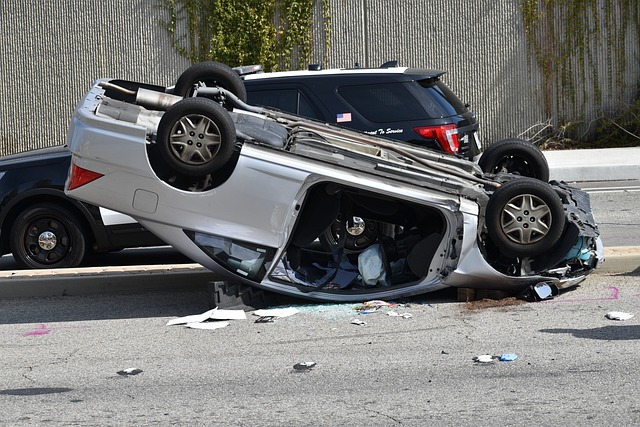
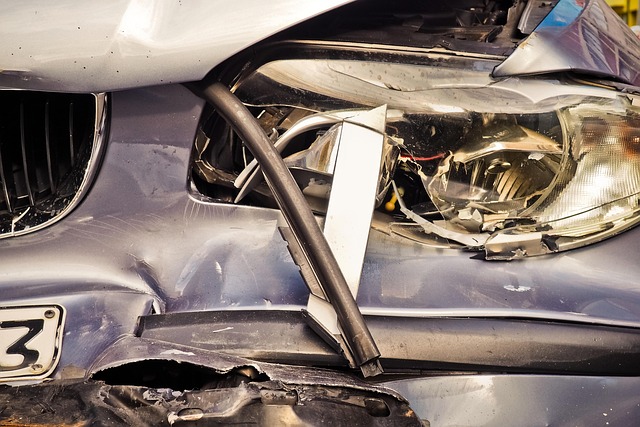
A court case involving a fatal electric vehicle crash in south London has renewed scrutiny over the safety of EVs. Ashenafei Demissie, 53, was driving a Volkswagen ID.4 outside his home in November 2022 when the vehicle suddenly moved forward, killing his five-year-old neighbour Fareed Amir and seriously injuring his own 12-year-old son. Demissie claimed the car accelerated on its own due to a fault, while prosecutors argued the incident was caused by driver error.
++ Why giraffes have spots – the fascinating science behind their striking patterns
Following a trial at the Old Bailey, Demissie was found not guilty of causing death and serious injury by careless driving. Investigators told the court they could find no evidence of a mechanical fault and described the collision as a case of “pedal misapplication”, although the officer involved acknowledged he was not a software specialist. Jurors were not informed that, after publicity surrounding the case, several EV drivers had contacted lawyers to report similar concerns, including owners of the same model.
Concerns about electric vehicle safety, particularly around pedestrians, are not new. While early fears focused on EVs being too quiet, UK and EU regulations introduced in 2019 now require new electric and hybrid vehicles to emit warning sounds at low speeds. Studies have produced mixed findings: research published in 2024 by the London School of Hygiene & Tropical Medicine suggested pedestrians were twice as likely to be struck by electric or hybrid vehicles, while a more recent University of Leeds study found no significant difference in pedestrian injury rates or severity between EVs and petrol or diesel cars.
++ Reform UK projected to secure record majority as poll shows labour collapse
Safety assessments by Euro NCAP indicate that many electric vehicles achieve high safety ratings, with five-star models available across multiple manufacturers. Volkswagen has said no faults were found with the ID.4 involved in the crash, although the model has faced legal action in the United States over claims of unintended acceleration linked to touch-sensitive controls. The case has highlighted ongoing debate around EV technology, driver behaviour and the need for continued scrutiny as electric vehicles become more widespread on UK roads.


