
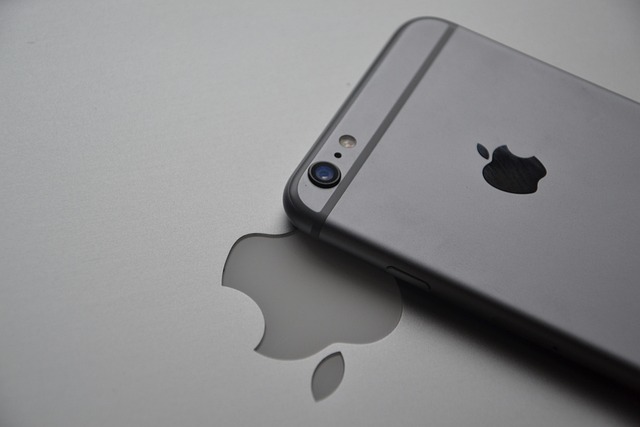
Half a century after its founding, Apple finds itself at a familiar crossroads: the need to reinvent the technological landscape once again, this time amid the rapid rise of artificial intelligence.
Established in 1976 by Steve Jobs and Steve Wozniak in a modest garage in Cupertino, California, the company reshaped modern life through a succession of influential products. From personal computing to portable music and smartphones, Apple has repeatedly altered how people interact with technology.
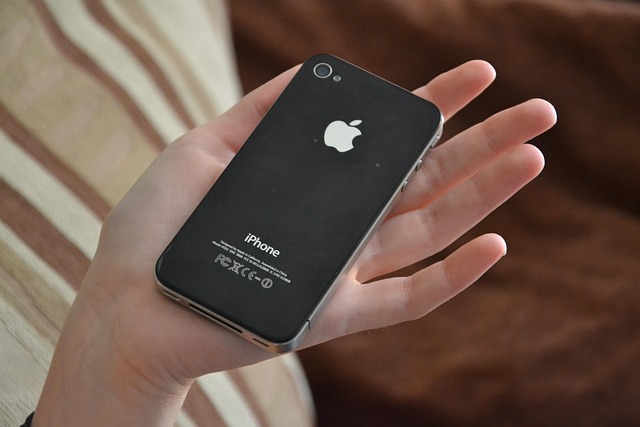
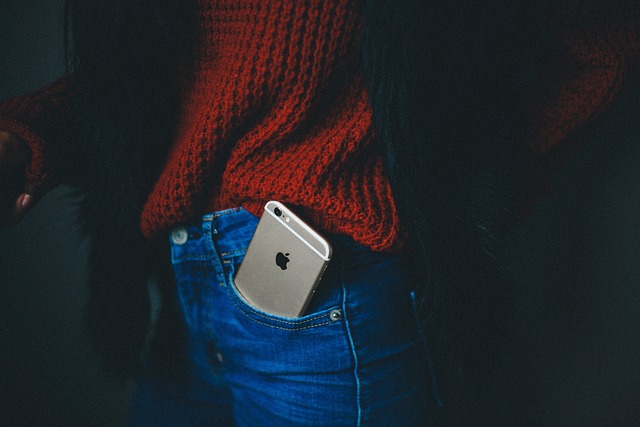
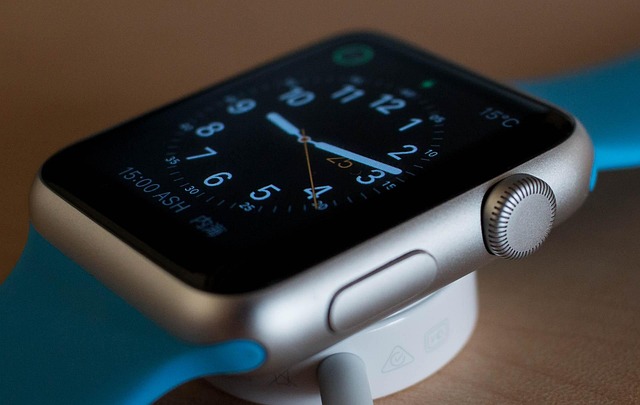
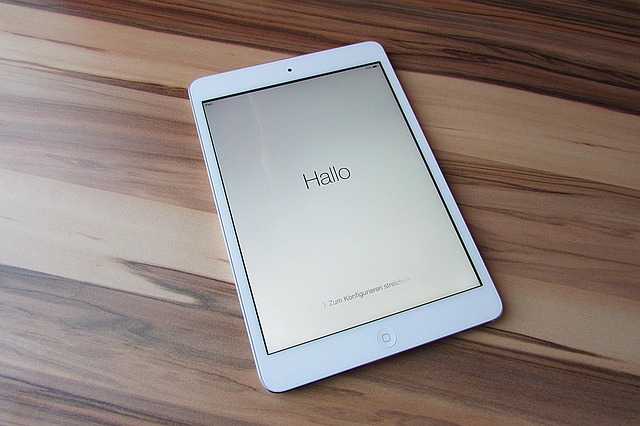
Its most iconic devices — including the Macintosh, iPod, iPhone, iPad and Apple Watch — have not only defined markets but cultivated a fiercely loyal customer base. Since its launch in 2007, the iPhone alone has sold more than three billion units, becoming one of the most commercially successful consumer products ever created.
Earlier milestones were equally transformative. The 1984 Macintosh introduced a graphical interface and mouse that made computing accessible to a broader public, while the iPod and iTunes revolutionised the music industry. In the years that followed, the iPhone brought smartphones into the mainstream, and the iPad helped establish the tablet market.
Much of this success is attributed to Jobs’s insistence on combining elegant design with intuitive functionality. Though not an engineer himself, he played a central role in shaping products that prioritised simplicity and user experience.
Under current chief executive Tim Cook, Apple has increasingly shifted towards services, building on its vast installed base of devices. Platforms such as the App Store have become central to its business model, though not without controversy. Regulators in Europe and the United States have scrutinised Apple’s control over software distribution and its commission structure.
China has also played a pivotal — and increasingly complex — role in Apple’s story. The country serves both as a major manufacturing hub and a crucial consumer market. However, geopolitical tensions, tariffs and intensifying competition from domestic firms such as Huawei have prompted Apple to diversify production to countries including India and Vietnam.
++ Rare footage captures sperm whale birth and remarkable pod cooperation
Now, attention is turning to artificial intelligence, where some analysts believe Apple has been slower to act than rivals such as Google, Microsoft and OpenAI. A delayed upgrade to its Siri assistant has raised questions about the company’s pace in this rapidly evolving field.
Even so, Apple’s emphasis on privacy and tightly integrated hardware and software could offer a distinct advantage. Developments in products such as AirPods and the Vision Pro headset suggest the company is laying the groundwork for more personalised, user-friendly AI experiences.
++ Mystery illness in orbit leaves NASA doctors searching for answers
As it marks its 50th anniversary, Apple remains one of the world’s most valuable companies. Yet, as in its early days, its future may depend on whether it can once again anticipate — and shape — the next major shift in technology.


