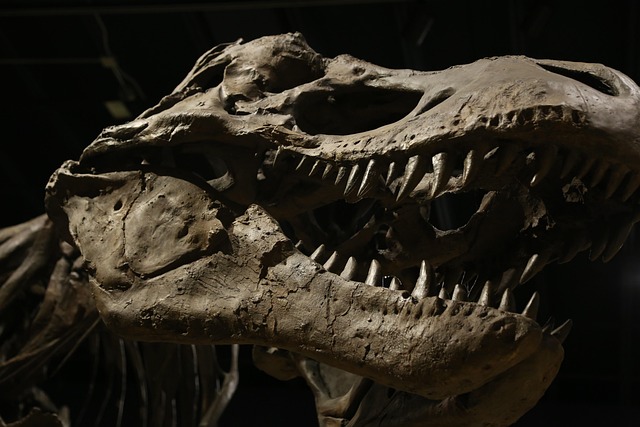

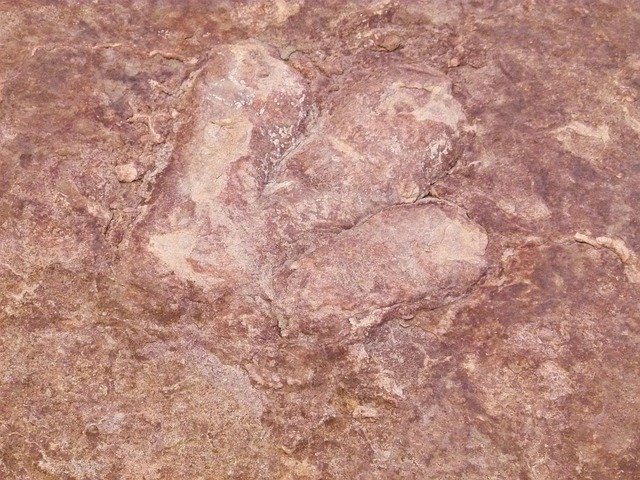
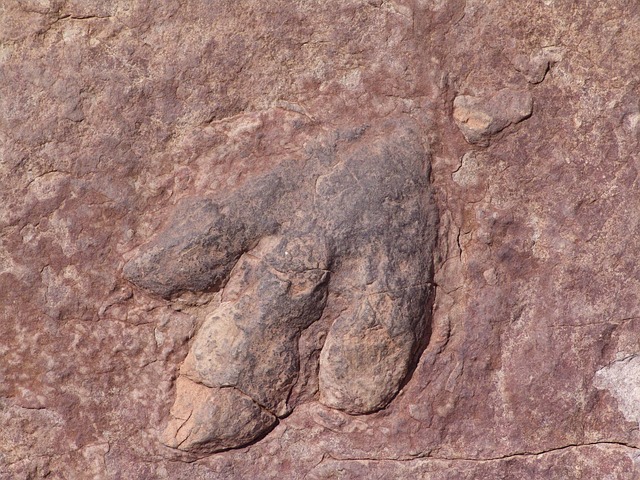
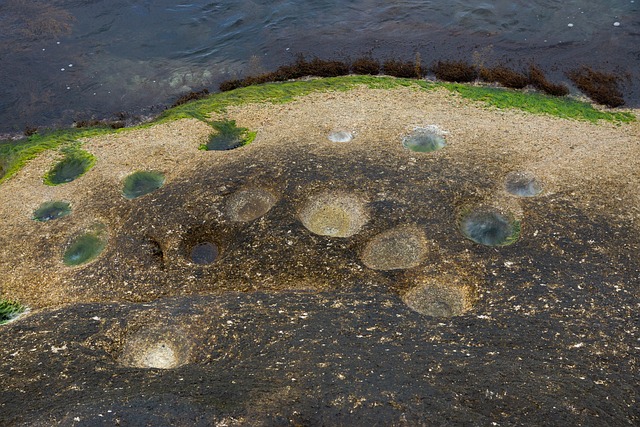
Palaeontologists have uncovered an extraordinary concentration of dinosaur footprints close to the site of the 2026 Winter Olympics, revealing around 20,000 tracks that date back some 210 million years. The Milan Natural History Museum (MNHM) announced the discovery on 17 December, explaining that the footprints belong to the Triassic period. They were first spotted by nature photographer Elio Della Ferrera in the Fraele Valley in the Italian Alps, between Livigno and Bormio, areas set to host Olympic events next February.
++ The peregrine falcon: nature’s fastest killer in the sky
According to the museum, the site ranks among the most significant collections of Triassic trace fossils ever identified. Ferrera noticed vast stretches of footprints running for hundreds of metres across steep dolomite rock faces. Despite the high altitude, the impressions are remarkably well preserved, clearly showing toes and claw marks left on what were once coastal tidal flats towards the end of the Triassic era.
Researchers have so far mapped roughly 20,000 individual footprints spread over an area of nearly three miles. Early analysis suggests they were made by large, long-necked, plant-eating dinosaurs that walked on two legs. These animals are thought to have reached lengths of up to 33 feet and weighed as much as four tonnes, according to reports from the Associated Press.
Cristiano Dal Sasso, a palaeontologist at Milan’s Natural History Museum, was the first expert alerted to the find. He said the sheer scale of the discovery exceeded expectations, noting that the tracks point to animals moving in groups, sometimes forming circular patterns that may have served as a defensive behaviour. The footprints also indicate a slow, steady pace rather than hurried movement, suggesting calm, coordinated travel.
++ GoPro footage reveals dolphins are not as cute as they seem
The museum explained that the site is inaccessible by conventional paths, requiring the use of drones and remote sensing equipment for detailed study. The investigation has involved collaboration with regional heritage authorities and Stelvio National Park. Extensive photographic, video and geological records have been collected to support further analysis.
Describing the location as the largest known footprint site in the Alps and one of the richest globally, the MNHM said the discovery had never previously been documented or studied. Scientists believe it will provide valuable insights into dinosaur behaviour and Alpine geology for many years to come.


