
A major new study has revealed that far more women with breast and ovarian cancer could benefit from targeted therapies, following a comprehensive effort to map the genetic mutations driving tumour growth. Scientists from the Manchester Cancer Research Centre and the Institute of Cancer Research have, for the first time, identified the full range of mutations involved in cancer development. The findings are being hailed as a significant step towards more personalised treatment, with the potential to improve outcomes for thousands of patients.
++ Cornwall station to support NASA’s Artemis II moon mission
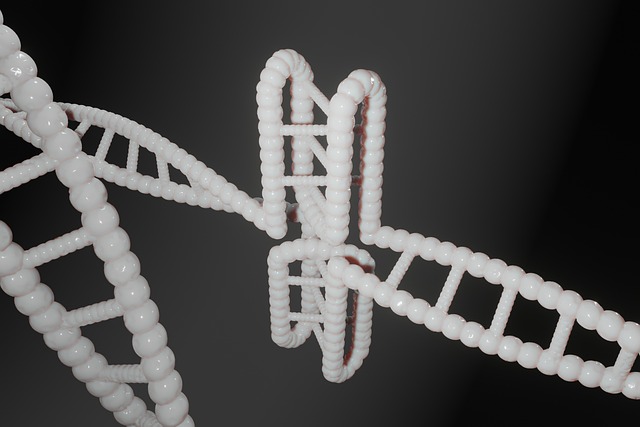
The research, published in Nature Genetics, is based on six years of analysis involving nearly 11,000 cancer patients who took part in the 100,000 Genomes Project. Using whole-genome sequencing, the team catalogued around 370 million mutations and grouped them into 134 distinct “signatures”, each representing a different pattern of DNA damage.
Notably, 26 of these signatures had not previously been recorded in the widely used Catalogue of Somatic Mutations in Cancer, suggesting that current understanding of cancer genetics may be incomplete.
One of the study’s most significant findings relates to homologous recombination deficiency (HRD), a fault in the way cells repair DNA. Tumours with this weakness are particularly responsive to treatments such as PARP inhibitors and platinum-based chemotherapy.
Researchers found evidence of HRD in 16 per cent of breast cancer cases and 14 per cent of ovarian cancers. Based on UK figures, this could mean that more than 7,700 breast cancer patients and around 1,000 ovarian cancer patients may be eligible for such therapies—considerably more than those currently identified through standard genetic testing for mutations such as BRCA1 and BRCA2. Although further clinical trials will be needed to confirm how well patients with HRD signatures respond to treatment, experts believe the findings could substantially broaden access to precision medicine.
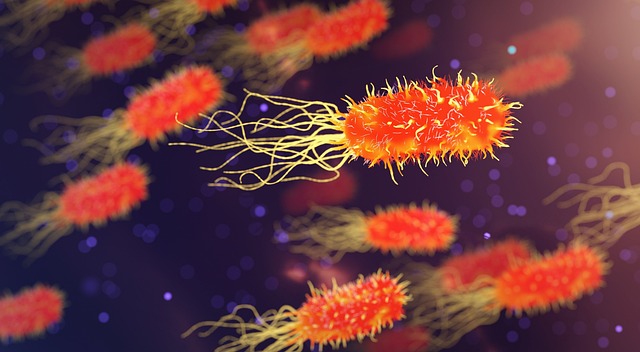
The study may also shed light on the rising incidence of bowel cancer among younger adults. Researchers identified a mutational signature linked to toxins produced by certain strains of E. coli, a bacterium commonly found in the gut. This signature appeared more frequently in younger patients, suggesting a possible connection.
According to Cancer Research UK, around one in 20 bowel cancer cases occurs in people under the age of 50, with incidence rates among those aged 25 to 49 rising by more than 50 per cent since the early 1990s.
++ Women head to Turkey for drastic leg-shortening surgery
Professor David Wedge of the University of Manchester said analysing the full genetic profile of tumours allows scientists to better understand how cancers develop and which treatments are most likely to be effective.
“Different causes leave distinct patterns in DNA,” he explained. “By identifying these patterns, we can gain a clearer picture of how cancer arises and how best to treat it.”
Professor Richard Houlston, from the Institute of Cancer Research, described the study as one of the most comprehensive of its kind, noting that the scale of data analysed had been “enormous” but ultimately highly rewarding.
Charities have also welcomed the findings. Simon Vincent of Breast Cancer Now said the research highlights the potential of whole-genome sequencing to ensure more patients receive treatments tailored to their condition. Meanwhile, Catherine Hart of Target Ovarian Cancer described the work as a “potentially transformative” step in identifying new treatment options and improving survival rates.
Taken together, the findings underline a shift in cancer care—from identifying isolated mutations to understanding the broader genetic narrative of each tumour—offering renewed hope for more precise and effective therapies in the years ahead.


