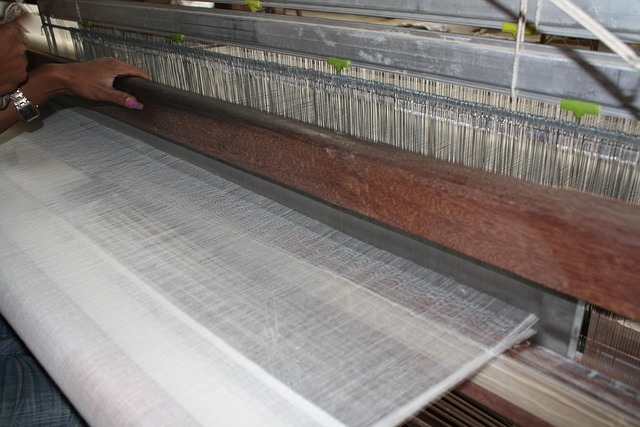
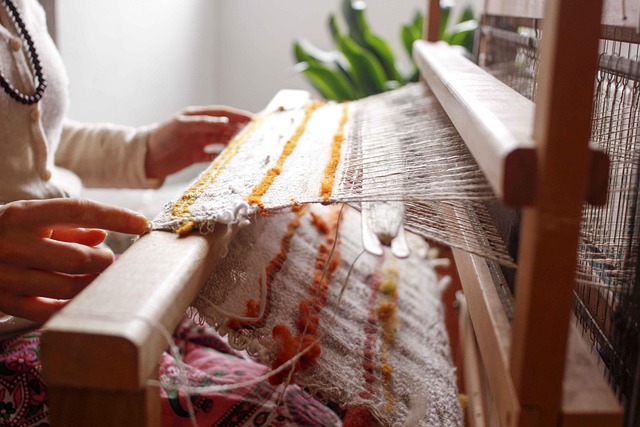
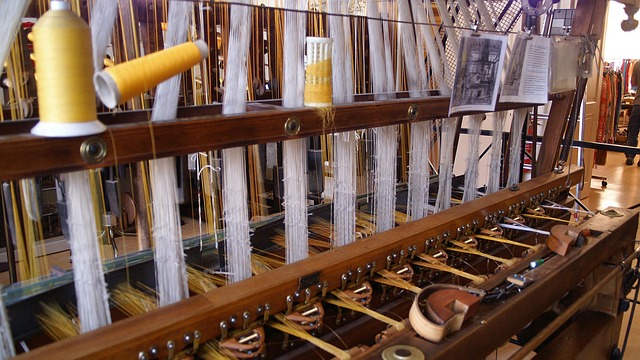


Archaeologists in Spain have uncovered a remarkably preserved wooden loom dating back 3,500 years, offering a rare glimpse into textile production during the Bronze Age. The artefact was discovered near the modern town of Villena at the archaeological site of Cabezo Redondo. Researchers believe a devastating fire around 1450 BC destroyed the settlement but, paradoxically, also helped preserve the loom.
++ Cornwall station to support NASA’s Artemis II moon mission
Wooden objects from antiquity are seldom found due to their biodegradable nature, making this discovery particularly significant. The Villena loom is among only a handful of such examples identified in Mediterranean Europe, providing valuable insight into ancient weaving techniques and the organisation of labour at the time.
Cabezo Redondo was once a thriving settlement, covering roughly one hectare and built across terraced slopes. Excavations, which began in the 1960s, have revealed dwellings equipped with workspaces, hearths, storage silos and containers. At its height, the site played an important political and economic role in the south-eastern Iberian Peninsula during the second millennium BC.
++ Women head to Turkey for drastic leg-shortening surgery
The loom was found within a sealed space created by the collapse of a سقف during the fire. According to researcher Gabriel García Atiénzar, this collapse was crucial in protecting the structure from later disturbance. The intense heat charred the materials, aiding their preservation.
Alongside the loom, archaeologists uncovered charred wooden beams, clay weights and esparto ropes, all buried beneath the debris. Co-author Ricardo Basso Rial noted that a group of 44 cylindrical weights—each with a central perforation and weighing close to 200 grams—indicates the loom was of a vertical warp-weighted design.
Further analysis revealed the loom was constructed from Aleppo pine, a species native to the surrounding region. Growth ring patterns suggest the wood came from mature trees, pointing to deliberate material selection.
Researcher Yolanda Carrión explained that the arrangement of the wooden components and associated weights has enabled scholars to reconstruct how the loom functioned with a high degree of confidence.
Experts believe the loom dates from a period often described as a “textile revolution” in Bronze Age Europe. This era saw advances in weaving technology, increased wool production through livestock farming, and broader social changes that intensified textile manufacture. Archaeologists suggest that textile work was likely a collaborative effort among households, involving spinning, weaving and other processes, with women playing a central role in production.


