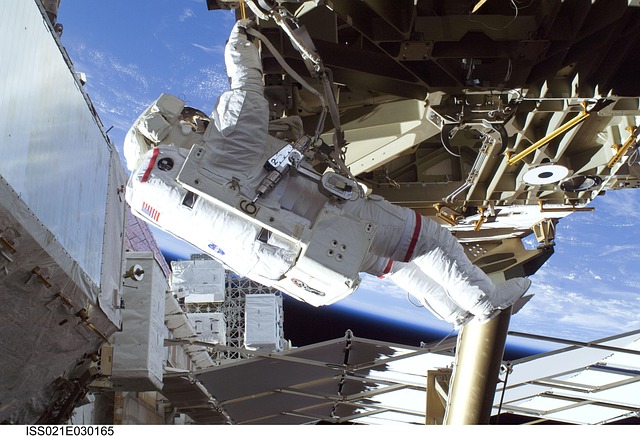
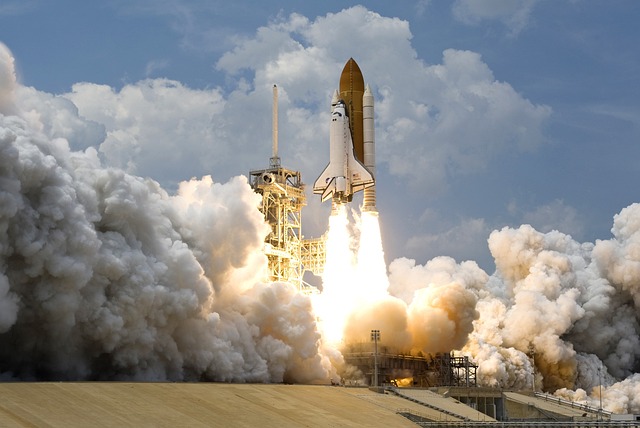
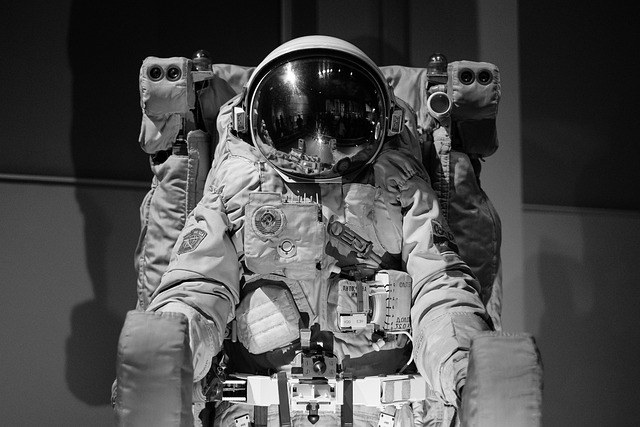
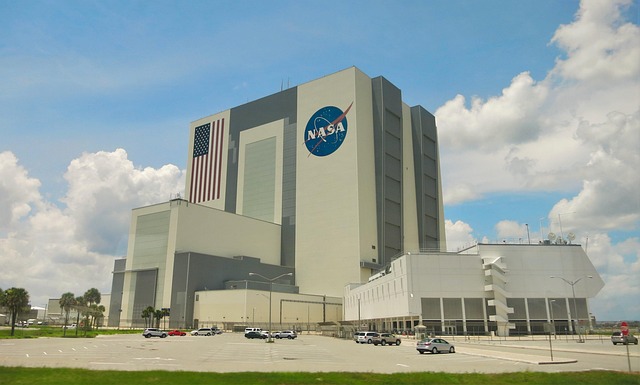
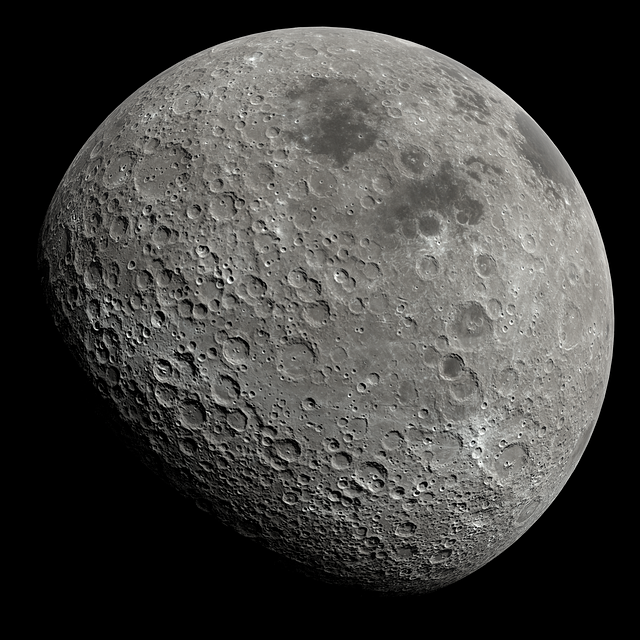
A satellite earth station in Cornwall is set to play a pivotal role in NASA’s forthcoming Artemis II mission, which aims to send astronauts around the Moon for the first time in more than half a century. The spacecraft is scheduled to launch from the Kennedy Space Center in early April, within a narrow window running from Wednesday to the following Monday. Should conditions prove unfavourable, the mission will be postponed until a later opportunity at the end of the month.
++ Mystery illness in orbit leaves NASA doctors searching for answers
At the heart of the UK’s involvement is Goonhilly Earth Station, which will assist in tracking the Orion spacecraft throughout its journey around the Moon and back to Earth. The site, long associated with landmark moments in space exploration, previously contributed to the broadcast of the Apollo 11 Moon Landing and supported communications during the uncrewed Artemis I mission in 2022.
Matthew Cosby, chief technology officer at Goonhilly, described Artemis II as a defining step in humanity’s renewed push towards lunar exploration. He noted that the Cornwall facility would demonstrate its capability to support future crewed missions while strengthening Britain’s position within broader international efforts to explore deep space.
The station is also collaborating with the UK Space Agency and NASA on systems designed to deliver near real-time space weather monitoring—an increasingly important factor in safeguarding missions beyond Earth’s orbit.
++ Rare footage captures sperm whale birth and remarkable pod cooperation
Government officials have welcomed the development, highlighting both its historical resonance and future potential. Baroness Lloyd, the UK’s space minister, said the partnership underlined Britain’s technical expertise and its growing role in global space ventures, while also contributing to regional economic growth and skilled employment. With Artemis II poised to mark the first crewed lunar flyby since the Apollo era, Cornwall’s involvement signals a renewed chapter in the UK’s participation in human spaceflight.


