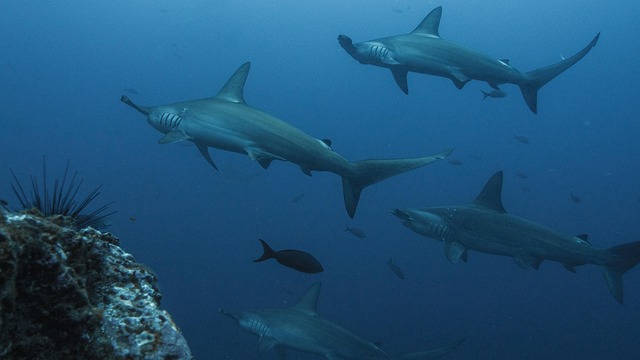

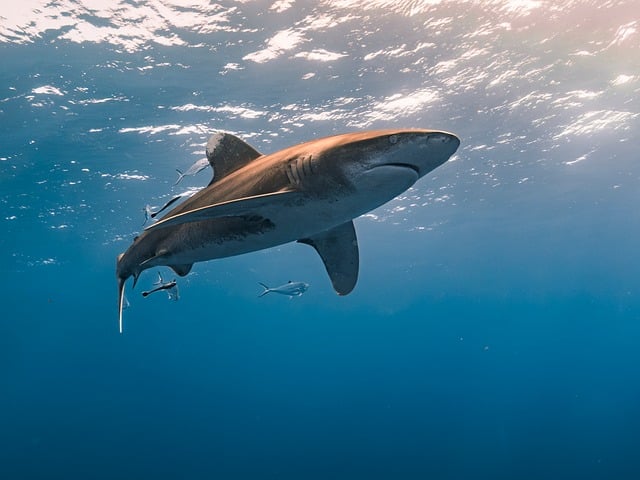


Scientists have detected traces of illicit drugs and pharmaceuticals in sharks inhabiting waters around the Bahamas, prompting fresh concerns about contamination in environments often regarded as untouched.
The study, published in Environmental Pollution, identified substances including cocaine, caffeine and common painkillers in several shark species. Researchers described the findings as evidence of “emerging pollution risks” even in relatively pristine marine ecosystems. Notably, this marks the first recorded instance of cocaine and diclofenac being found in sharks native to the Bahamas, as well as the first global detection of caffeine and acetaminophen in any shark species.
++ Fish in British waters turning to smaller prey amid warming seas and overfishing
According to Natascha Wosnick, a biologist involved in the research, the contamination is likely linked to human activity. She suggested that wastewater discharge — including sewage — is a probable source of the pollutants entering the marine environment.
Much of the fieldwork took place near Eleuthera Island, where researchers examined 85 sharks across multiple species. Of those, 28 were found to contain measurable levels of at least one of the substances. The affected species included Caribbean reef sharks, Atlantic nurse sharks and lemon sharks. Tests revealed changes in key metabolic indicators among contaminated individuals, including alterations in triglycerides, urea and lactate levels.
Experts warn that some of the substances identified may pose health risks to marine life. Diclofenac, for example, has been linked to kidney damage in animals, while cocaine and caffeine are associated with metabolic disturbances such as elevated blood sugar and increased lactate production.
In one case, a juvenile lemon shark that tested positive for cocaine may have been exposed shortly before sampling. Researchers suggest it could have ingested residue from a discarded drug package.
Dr Wosnick, who is affiliated with the Federal University of Paraná in Brazil, has previously identified similar contamination in sharks off Rio de Janeiro. She noted that higher concentrations were observed in that study, possibly due to differences in testing methods, with muscle tissue retaining substances longer than blood.
++ Wave of school violence raises concerns over youth militarisation in Russia
The findings highlight a broader issue of chemical pollution in marine environments, which researchers say is often overlooked in favour of more visible threats such as oil spills and plastic waste. The study concludes that pharmaceuticals and illicit drugs are increasingly recognised as contaminants of emerging concern, particularly in regions experiencing rapid tourism growth and urban development.


