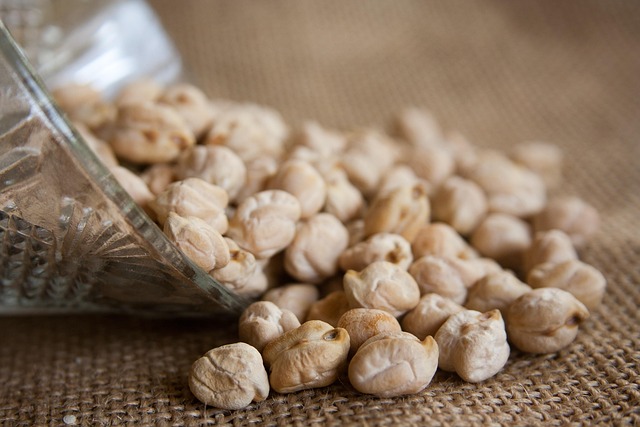
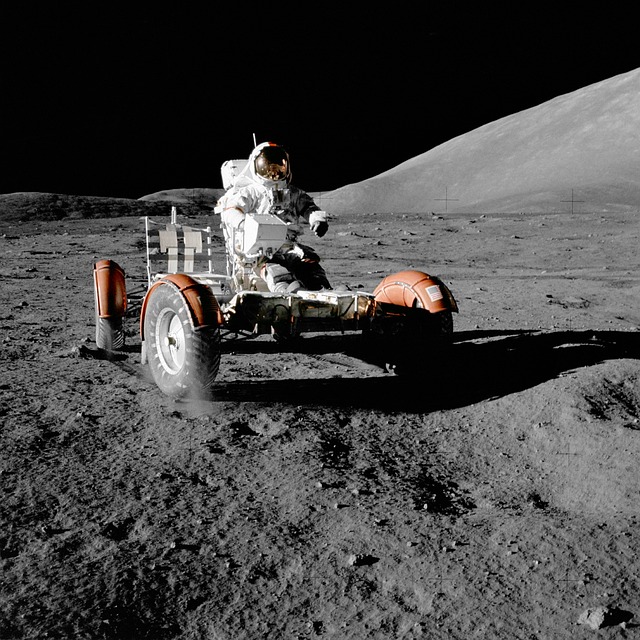

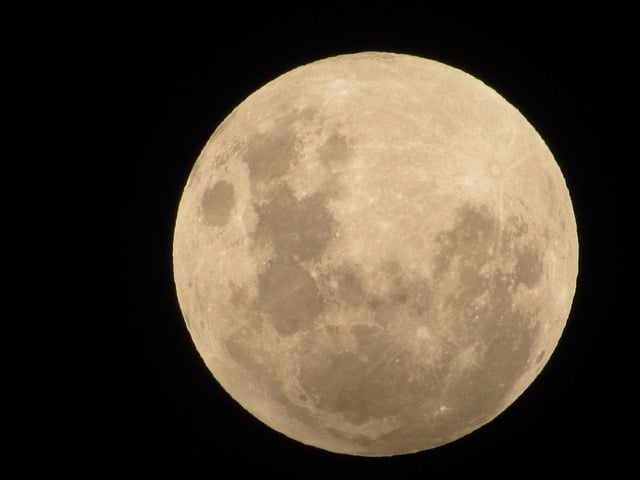
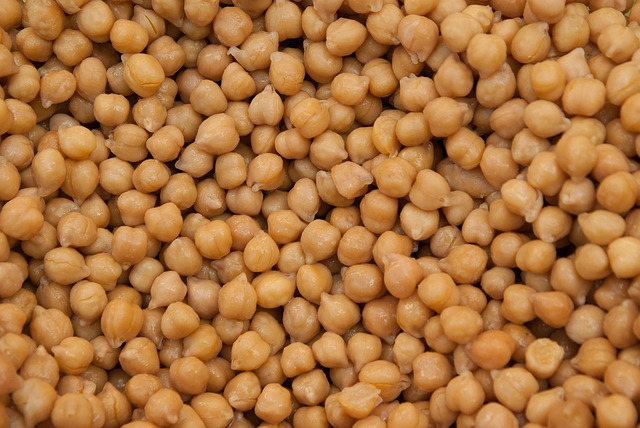
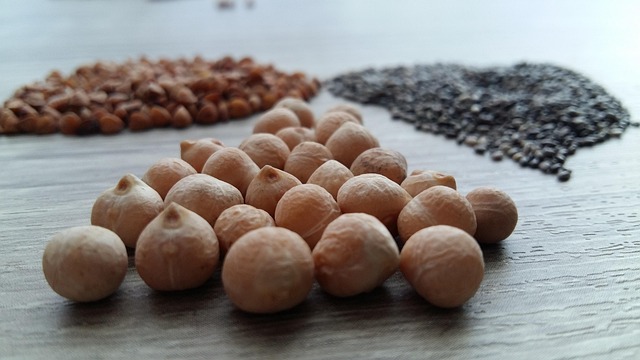
Scientists have taken a significant step towards the possibility of cultivating food beyond Earth after successfully growing chickpeas in simulated lunar soil. In a recent study, researchers recreated the conditions of lunar regolith — the loose, dusty material covering the Moon’s surface — and managed to grow a particular variety of chickpea within it. The experiment marks the first time the crop has been cultivated under such conditions and could provide valuable insights into how humans might one day sustain life on the Moon.
++ This venomous spider is expanding its range across Britain
Space agencies including NASA are already planning future missions aimed not only at returning astronauts to the Moon but eventually establishing a longer-term human presence there. One of the major challenges in achieving that goal is food production, as the Moon’s harsh environment and nutrient-poor soil present serious obstacles for agriculture.
To investigate potential solutions, scientists created a soil mixture based on samples of lunar material collected during the historic Apollo missions. Lunar regolith lacks organic matter essential for plant growth and also contains heavy metals that can be harmful to crops. To improve the simulated soil, researchers introduced vermicompost — an organic fertiliser produced by red wiggler earthworms as they break down organic waste such as food scraps or cotton-based materials. These substances could potentially be generated from waste produced by astronauts during long-duration missions.
In addition, the team incorporated arbuscular mycorrhizal fungi, which form a symbiotic relationship with plants. The fungi help absorb nutrients and can reduce the harmful effects of heavy metals in the soil. Chickpea seeds were then planted in several soil mixtures containing different proportions of simulated regolith. The researchers found that crops grown in mixtures containing up to 75 per cent lunar soil were able to develop to the point of harvest.
++ Arsenal style debate after Brighton victory
Encouragingly, the fungi also appeared to remain active in the soil after being introduced, suggesting that only a single application may be necessary. Despite the promising results, scientists caution that further research is needed. It remains unclear whether the chickpeas grown in such conditions would be safe or nutritious for human consumption, as plants may absorb potentially harmful elements during growth.
The findings were detailed in a study titled “Bioremediation of Lunar Regolith Simulant Through Mycorrhizal Fungi and Plant Symbioses Enables Chickpea to Seed,” published in the journal Scientific Reports.


