


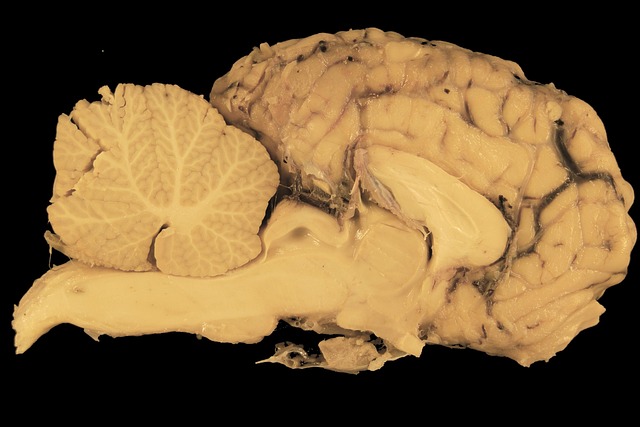


Scientists believe they have uncovered why some people in their eighties retain the mental sharpness of those decades younger. New research indicates that so-called “super agers” are capable of generating new brain cells at roughly twice the rate of other healthy older adults. The findings challenge long-held assumptions that the human brain is born with a fixed supply of neurons and cannot replenish them later in life — a view that has only recently been overturned.
++ 40,000-year-old symbols reveal missing chapter of human history
The study points to enhanced neurogenesis — the process by which new neurons are formed — as a potential protective factor against age-related cognitive decline, including conditions such as Alzheimer’s disease. This regeneration occurs in the hippocampus, a region of the brain central to memory and learning.
Professor Orly Lazarov, of the University of Illinois Chicago (UIC), said the data revealed a marked difference in brain cell development among older participants. “Super agers showed around double the level of neurogenesis seen in other healthy older adults,” she said. “There appears to be something in their brains that enables them to preserve exceptional memory function.”
A “super ager” is typically defined as someone aged 80 or above whose cognitive performance matches that of an average middle-aged adult.
++ Nick Reiner pleads not guilty to parents’ murders
To investigate the phenomenon, researchers examined donated brain tissue from five groups: healthy young adults; cognitively typical older adults; older individuals with outstanding memory performance; people with mild cognitive impairment; and patients diagnosed with Alzheimer’s disease. The team analysed three developmental stages of emerging brain cells — early neuroblasts, intermediate progenitor cells and immature neurons approaching full function. According to Prof Lazarov, the presence of cells at all three stages is evidence of active neuron production within the hippocampus.
The results showed that older adults with exceptional cognitive health had significantly higher levels of new neuron growth than their peers. By contrast, those with Alzheimer’s disease exhibited little to no evidence of neurogenesis.
Researchers hope that identifying the mechanisms behind this enhanced cell regeneration could inform future treatments or lifestyle strategies aimed at preserving cognitive health. Previous studies, for example, have linked physical exercise to increased production of cathepsin B, a protein that travels to the brain and stimulates neuron growth.
Ahmed Disouky, the study’s first author at UIC, said the findings offer encouragement. “The ageing brain is not necessarily destined for decline,” he noted. “If we understand how neurogenesis is maintained in some individuals, we may be able to develop interventions to support memory and cognitive resilience more broadly.”
Co-lead author Professor Jalees Rehman, head of biochemistry and molecular genetics at UIC, added that longer life expectancy must be matched by sustained quality of life. “Medical advances mean people are living longer than ever before,” he said. “Ensuring those additional years are accompanied by strong cognitive health is an essential next step.” The research has been published in the journal Nature.


