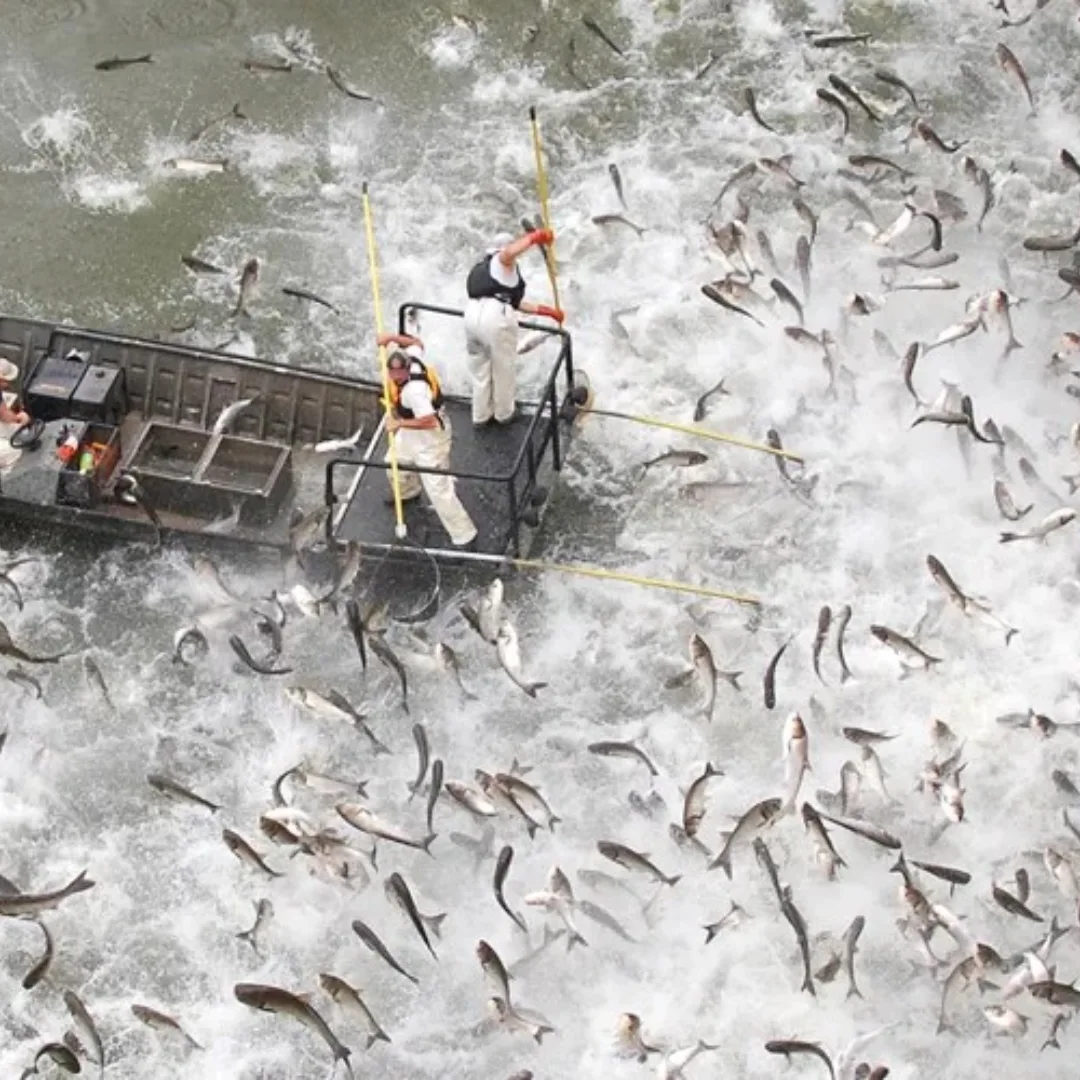
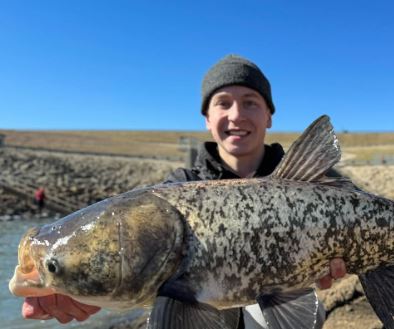
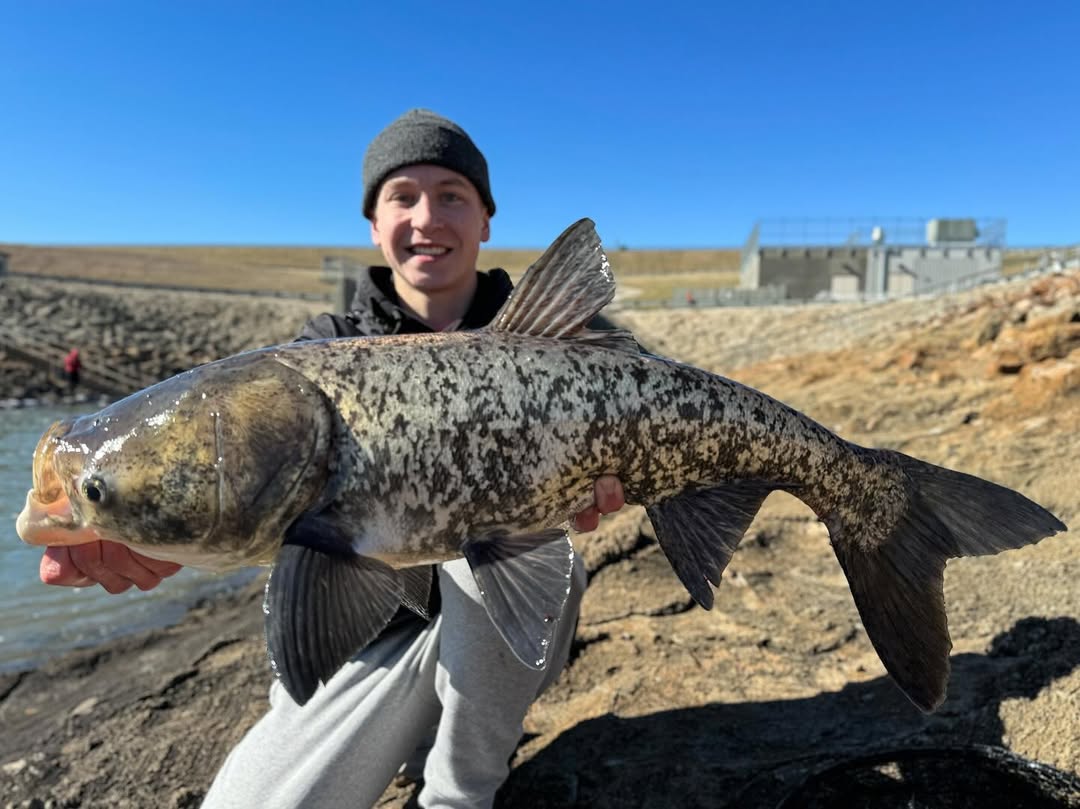
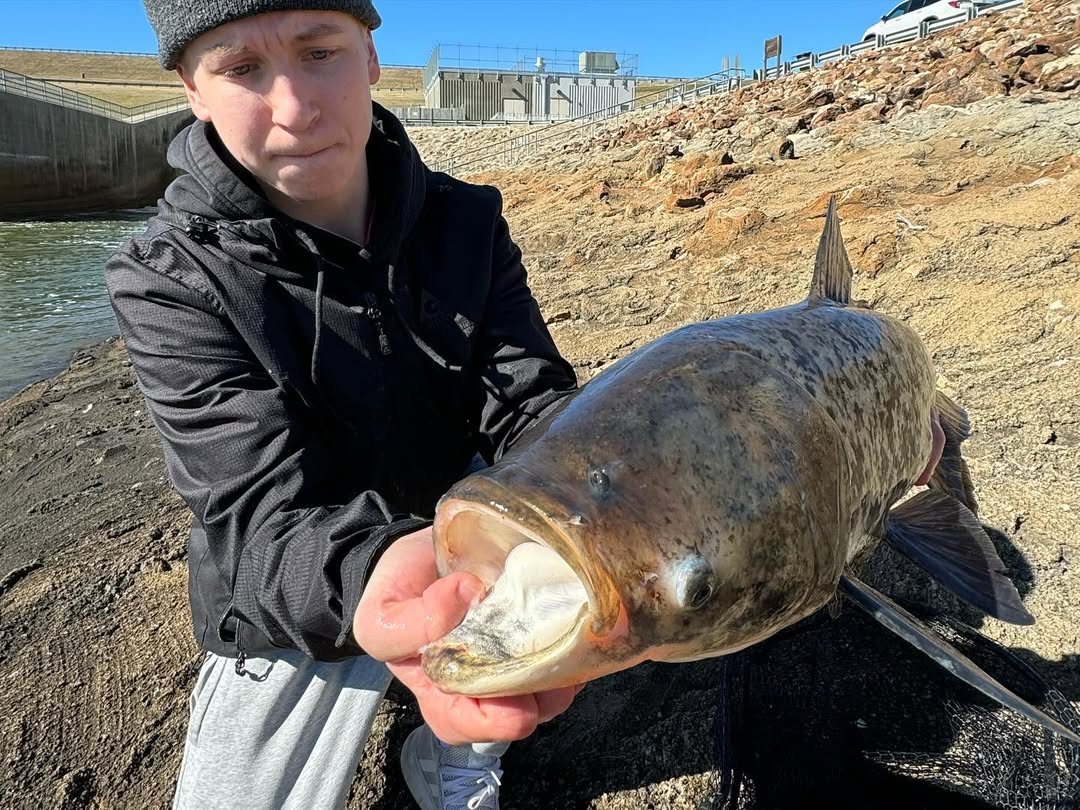
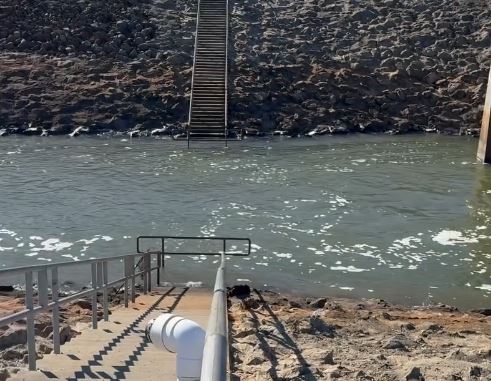
Kansas wildlife authorities have removed more than 100,000 pounds of invasive Asian carp from the Kansas River over the past four years, marking a notable development in efforts to protect one of the state’s key waterways. The Kansas Department of Wildlife and Parks (KDWP) reports that around 109,000 pounds of carp have been taken out since organised removals began in 2022, with 2025 proving the most productive year so far.
++ Scientists pinpoint ancient brain region linked to human consciousness
The programme focuses on three invasive species — silver, bighead and black carp — which were originally brought to the United States for aquaculture in the 1970s before escaping into natural river systems. These fish reproduce quickly, consume large quantities of food and compete directly with native species, disrupting established ecosystems. According to KDWP biologists, recent data suggests population declines in targeted areas, alongside early signs of native fish returning.
Beyond ecological damage, invasive carp also present safety concerns. Silver carp are known to leap from the water when disturbed by boat engines, posing a risk to people on the river, while bighead carp can reach exceptionally large sizes. To address the problem, KDWP has employed electrofishing, gill nets and specialised equipment, including an electrified dozer trawl designed to stun and collect carp efficiently.
++ Farage eyes Senedd elections after Caerphilly by-election setback
In 2025, removal operations were extended by 15 miles downstream, with the Bowersock Dam in Lawrence continuing to act as a natural barrier to further spread. Kansas’ work forms part of a wider regional initiative, supported by nearly $19 million in federal funding announced in August 2025 for invasive carp management across the Mississippi River basin. Officials say removal efforts will continue throughout the year and may expand further, while urging the public not to release invasive carp back into waterways and to report any new sightings.


